Palate Fatigue: What Happens to Your Taste Buds After a Few Drinks?
Ever wondered why that first sip of beer is so amazing, but later drinks just don't taste the same? We dive into the science of palate fatigue and explore how your taste buds change after 3, 6, and 9 drinks. Get ready for a tipsy tour of your taste receptors!
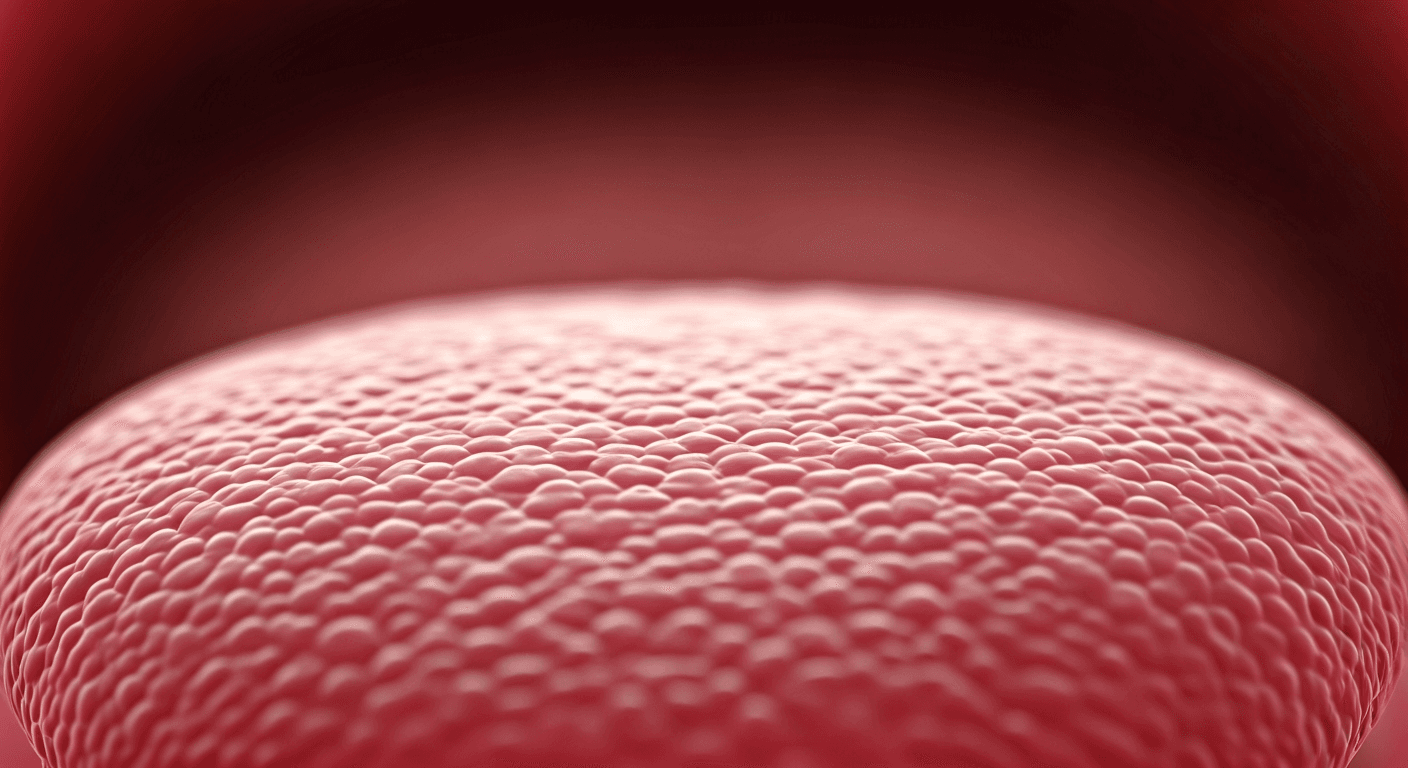
Palate Fatigue: A Tipsy Tour of Your Taste Buds
We've all been there. That first pint of perfectly chilled lager is a symphony of flavour, a delightful dance on your tongue. But as the evening wears on, that same beer starts to taste... well, a little less exciting. What gives? The culprit is palate fatigue, and it's a fascinating (and slightly sobering) phenomenon.

Palate fatigue, in simple terms, is the reduced sensitivity of your taste buds due to prolonged exposure to a particular flavour. Imagine listening to the same song on repeat all day – eventually, you'll tune it out. Your taste buds work similarly. Alcohol itself can also contribute to this effect, both directly and indirectly. It can dehydrate you, which reduces saliva production, and saliva is crucial for carrying flavour compounds to your taste receptors.
The 3-Drink Mark: Subtle Shifts
After around 3 drinks (depending on your tolerance, of course), subtle changes begin to occur. The initial buzz might make everything taste a little better, but your taste buds are already starting to work overtime. You might find that more subtle flavours become harder to detect, and you might crave bolder, simpler tastes. This is why salty snacks are so appealing at this stage; your palate is starting to get tired of complexity.
6 Drinks In: The Dimming of Delight
At the 6-drink mark, palate fatigue is usually well underway. The sensitivity of your taste buds has significantly decreased. You're likely finding it harder to distinguish between different beers or spirits. That nuanced IPA might taste just like any other hoppy beer. This is also when the dehydrating effects of alcohol start to kick in more noticeably, further impacting your ability to taste. You might be tempted to reach for something sweeter or more intensely flavoured to try and break through the fatigue.
9 Drinks (and Beyond!): A Flavourless Fog
Reaching 9 drinks and beyond (please drink responsibly!) is where palate fatigue really takes hold. At this point, your taste buds are practically waving the white flag. Subtle flavours are completely lost, and even strong tastes might seem muted. The dehydrating effects of alcohol are in full force, and your judgment is likely impaired. Honestly, anything you're drinking at this point is probably more about the social experience than the actual taste. It's a good time to switch to water!
Ultimately, understanding palate fatigue can help you enjoy your drinks more responsibly and appreciate the nuances of flavour for longer. So, next time you're enjoying a few beverages, pay attention to how your taste buds are changing. It might just make you a more mindful and appreciative drinker.
Stay Hydrated: Drink water between alcoholic beverages to combat dehydration.
Pace Yourself: Give your taste buds a break between drinks.
Cleanse Your Palate: Try a simple cracker or a sip of water to reset your taste buds.
Explore Different Flavours: Don't stick to the same drink all night.
Gallery