Stout vs Porter: What's the Difference?
Both are dark, both have a tan head, and plenty of drinkers use the names interchangeably. Here's how stout and porter really differ in history, ingredients and taste, plus the main styles and what to eat with them.
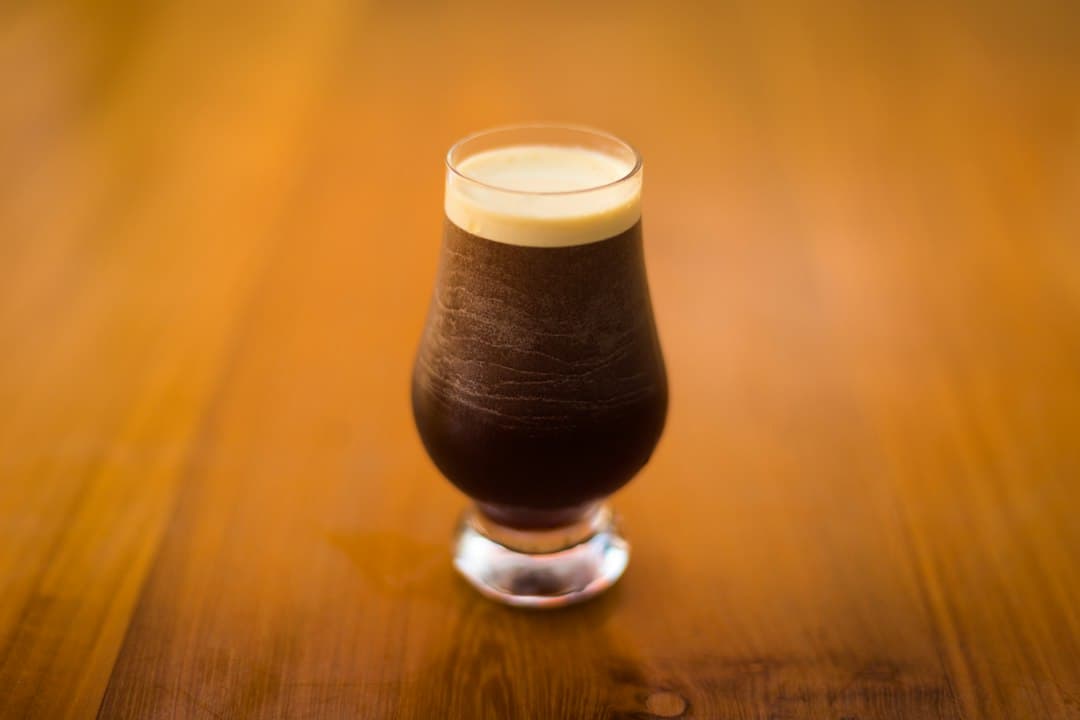
Stand at the bar of a good pub and you'll often see a stout and a porter side by side, both near-black, both topped with a tan head. Ask the bar staff what the difference is and you might get a shrug, a long history lesson or a confident answer that contradicts the brewery's own label. The truth is that stout and porter are close relatives, and the line between them has always been blurry. But there are real differences in history, ingredients and taste, and knowing them will help you pick the pint you actually want.
The Short Answer
Stout started life as a stronger version of porter. Today, stouts tend to be drier and more roasty, often with a coffee-like bitterness from roasted barley, while porters tend to be a little lighter in body and more chocolatey, with flavours of toffee and cocoa from brown and chocolate malts. That's the general rule, but plenty of beers break it, and many breweries simply call their beer whichever name they prefer.
Where Porter Came From
Porter appeared in London in the early 18th century and quickly became the city's favourite drink. It was a dark, brown beer brewed with brown malt, and it was cheap, filling and hugely popular with the street and river porters who gave it its name. London porter breweries grew into some of the largest industrial businesses in the world, aging their beer in vast wooden vats.
And How Stout Followed
In the 1700s, 'stout' simply meant strong. A brewery's stronger porter was sold as 'stout porter', and over time that was shortened to just stout. Irish brewers, Guinness most famously, took the style and made it their own, and in the 19th and 20th centuries stout became the dominant dark beer in Ireland while porter faded away in Britain. Porter all but disappeared from British bars by the mid-20th century, until the real ale and craft beer movements revived it from the 1970s onwards.
The Key Differences
- Malt: Stouts traditionally lean on roasted barley, an unmalted grain roasted until almost black, which gives a sharp, coffee-like dryness. Porters usually rely on brown and chocolate malts, which taste rounder and more like cocoa or toffee.
- Flavour: Think espresso and dark toast for stout, milk chocolate and caramel for porter.
- Body: Porters are often slightly lighter and smoother. Many stouts, particularly oatmeal, milk and imperial stouts, are fuller and creamier.
- Colour: Both are dark. Porters can show ruby or brown highlights against the light, while most stouts look properly black.
- Strength: Historically stout was the stronger beer. Today the range overlaps completely, from a 4% dry stout to a 10%+ imperial porter.
The Main Styles of Stout
- Dry Irish stout: Light-bodied, around 4–4.5%, bone dry with a roasty bitterness. Often served on nitrogen for that creamy head.
- Oatmeal stout: Oats add a silky, rounded texture and soften the roast.
- Milk (sweet) stout: Brewed with lactose, a sugar yeast can't ferment, leaving a gentle sweetness. Think liquid chocolate digestive.
- Foreign extra stout: Stronger and richer, originally brewed to survive long journeys overseas.
- Imperial stout: Big, boozy and intense, often 8–12%, with layers of dark fruit, coffee and chocolate. Historically brewed in London for export to the Russian imperial court.
The Main Styles of Porter
- Brown porter: The classic English style: moderate strength, chocolate and toffee, very easy drinking.
- Robust porter: Stronger and more roasty, sometimes hard to tell apart from a stout.
- Baltic porter: A strong, smooth porter brewed around the Baltic Sea, often with lager yeast and aged cold. Rich, but surprisingly clean.
- Smoked porter: Brewed with a portion of smoked malt for a campfire edge that's brilliant with food.
Can You Taste the Difference?
Often, yes, if you try them side by side. Pour a dry stout and a brown porter into similar glasses and let them warm up a little from fridge-cold. The stout should hit you with dry, coffee-like roast and a slightly sharp finish. The porter should feel softer, with more chocolate and caramel and less bite. Then try an imperial stout next to a Baltic porter, and you'll see how the two styles can meet in the middle.
How to Serve Them
- Temperature: Don't serve them ice-cold. Around 8–12°C lets the roast and chocolate flavours come through; stronger imperial styles can go even warmer.
- Glassware: A nonic or tulip pint glass for everyday stouts and porters; a snifter or wine glass for strong imperial versions.
- Nitro or not: Nitrogen gives a creamy texture and tight head but mutes aroma. A standard carbonated pour shows more flavour.
Food Pairings
Dry stout and oysters is a classic for good reason: the roast and salinity work beautifully together. Stout is also excellent with beef and ale pie, Irish stew and a strong mature Cheddar. Porter's chocolate side makes it a natural match for barbecue, smoked meats, sausages and chocolate desserts. And an imperial stout poured over vanilla ice cream is one of the best puddings you can make in thirty seconds.
So Which Should You Order?
If you like your coffee black and your beer dry, go for a stout. If you prefer something smoother with a little more sweetness, try a porter. And if the bar has both, order a half of each and decide for yourself. Just don't worry too much about the label: some brewers' porters are roastier than their stouts, and that's part of the fun.