What Is Cask Ale? A Beginner's Guide to Real Ale
Those handpumps on the bar hold something uniquely British. Here's what cask ale actually is, how it differs from keg beer, why it's served at cellar temperature, and how to order a great pint like a regular.
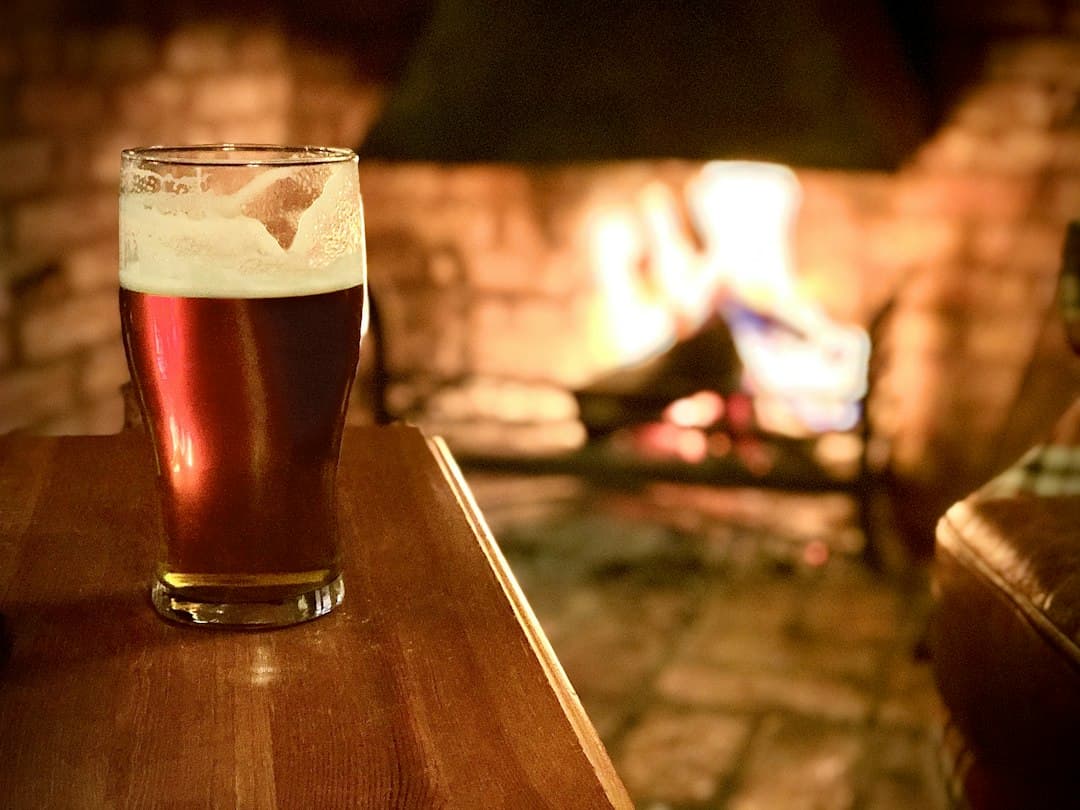
Walk into almost any traditional British pub and you'll see them: the tall handpumps lined up along the bar, each with a pump clip that names an ale you may never have heard of. That's cask ale, often called real ale, and it's one of the things that makes a British pub unlike a bar anywhere else in the world. If you've ever wondered what it actually is, why the bar staff pull it by hand, or whether it's really served 'warm and flat', this guide is for you.
What Is Cask Ale?
Cask ale is beer that finishes maturing in the container it is served from. The brewery fills the cask with beer that is unfiltered and unpasteurised and still contains living yeast. Once it arrives in the pub cellar, that yeast carries on working, slowly fermenting the remaining sugars and giving the beer a gentle, natural sparkle. This is called secondary fermentation or cask conditioning.
Crucially, no extra gas is used to push the beer to the bar or to carbonate it. That's what separates cask from the keg beer found on most bars.
Cask vs Keg: What's the Difference?
- Conditioning: Cask ale conditions in the cellar. Keg beer is usually filtered (and often pasteurised) at the brewery, then carbonated before it leaves.
- Dispense: Cask ale is drawn up by a hand-operated pump called a beer engine, or poured straight from the cask by gravity. Keg beer is pushed out by gas pressure.
- Carbonation: Cask ale has a soft, low fizz. Keg beer is noticeably livelier.
- Temperature: Cask ale is served at cellar temperature, around 11–13°C. Most keg lagers are served much colder.
- Shelf life: Once a cask is opened, it should be finished within a few days. A keg lasts far longer.
Is Real Ale Really Warm and Flat?
No, at least not when it's looked after properly. 'Cellar cool' is cooler than room temperature, and that slightly warmer serve (compared with an ice-cold lager) lets the malt and hop flavours come through. The carbonation is gentle by design, but a good pint should still have a lively, creamy texture and a tight head. If your pint is genuinely tepid, flat or tastes vinegary, the cask is past its best, and any decent pub will happily change it.
The Life of a Cask
- Delivery: The cask arrives in the cellar and is laid on a rack called a stillage so the yeast and sediment can settle.
- Venting: The cellar team taps a porous wooden peg called a soft spile into the top of the cask. This lets excess gas escape while the beer conditions.
- Conditioning: Over a day or two, the beer drops bright and builds its gentle carbonation. Many casks contain finings, a clarifying agent that helps the yeast settle; increasingly, breweries also offer unfined, slightly hazy casks.
- Tapping: A tap is knocked into the front of the cask and connected to the beer line. A hard spile replaces the soft one to hold the condition between serves.
- Serving: Once air gets in, the clock is ticking. Most pubs aim to sell a cask within about three days for the freshest pint.
It's a skilled job, which is why good cellar management is the mark of a great pub.
The Great Sparkler Debate
Look closely at a handpump's nozzle and you may spot a small attachment with tiny holes. That's a sparkler, which forces the beer through and whips up a tall, tight, creamy head. Sparklers are traditional in much of the North of England, while many drinkers in the South prefer their pint without one, saying it keeps more hop aroma and a livelier texture. Neither is wrong. It's simply one of those regional quirks that make British pub culture so much fun.
Cask Ale Styles to Try
- Bitter and best bitter: Copper-coloured, malty and gently hoppy. The classic session pint.
- Golden ale: Pale, crisp and citrusy. A great first cask ale for lager drinkers.
- Mild: Dark, low in strength and full of roasty, chocolatey flavour.
- Porter and stout: Rich, roasted and smooth, especially good on a cold evening.
- Old ale and winter warmers: Stronger, fruitier and perfect for autumn and winter.
How to Order Cask Ale Like a Regular
- Ask for a taster. Most pubs are happy to pour a small sample if you can't decide.
- Read the pump clip. It usually tells you the style and strength (ABV).
- Ask what's new on. A freshly tapped cask is often the best pint in the house.
- Try a half or a third. Lots of pubs serve smaller measures, so you can explore several ales responsibly.
- Don't be afraid to send it back. If a pint looks murky (and isn't meant to be), smells sour or is flat, mention it politely at the bar.
Why Cask Ale Matters
Cask ale is a living tradition. The term 'real ale' was coined in the 1970s by beer campaigners worried that this style of beer was disappearing, and their efforts helped keep cask on bars across Britain. Today it's still a uniquely British drinking experience: fresh, local, and served with care by people who know their cellar. Whether you're in a village local in the Dales or a British-style pub far from home, a well-kept pint of cask ale is one of life's simple pleasures.
So next time you see that row of handpumps, skip the usual and give one a go. And as always, enjoy it responsibly. Cheers!