What Is Sour Beer? A Beginner's Guide
Tart, fruity and nothing like a pint of bitter. Here's what makes a beer sour, how fast and slow sours are made, the main styles from gose to gueuze, and how to serve them.
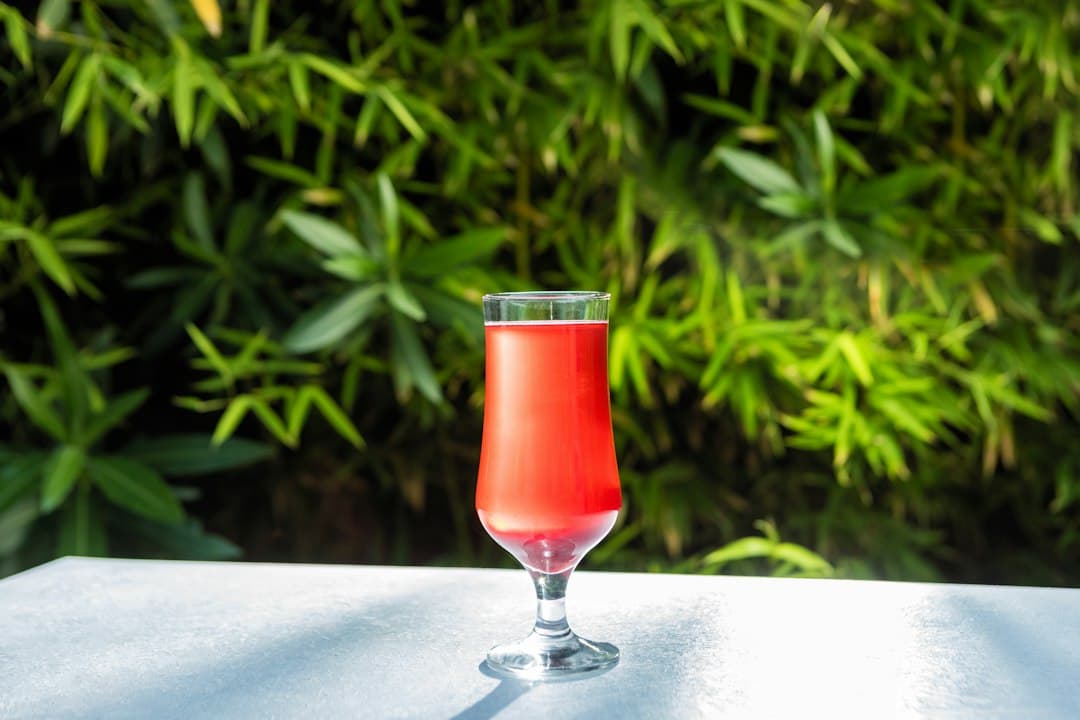
Sour beer can be a shock the first time you try one. You expect the familiar balance of malt and hops and instead get something tart, fruity and refreshing, closer to a dry cider or a glass of sparkling wine than a pint of bitter. Yet sour beer is not new. Some of the oldest beer styles in the world are deliberately sour, and in recent years they have gone from a niche for enthusiasts to a regular sight in craft beer bars and supermarket fridges. Here is a straightforward guide to what sour beer is, how it gets its sourness and which styles to try first.
What Makes a Beer Sour?
Most beer is fermented with brewer's yeast alone, which turns sugar into alcohol and carbon dioxide and leaves a clean result. A sour beer is fermented, at least in part, with microbes that produce acids. The main ones are:
Lactobacillus: bacteria that produce lactic acid, the same soft, yoghurt-like sourness you find in sourdough or natural yoghurt.
Pediococcus: bacteria that also produce lactic acid, often more sharply, and are usually used in slower, longer-aged beers.
Brettanomyces: a wild yeast, often called Brett, that adds earthy, leathery, farmyard and tropical fruit notes and keeps working slowly for months.
Some sour beers also pick up acetic acid, the sharp vinegar note found in a few traditional Belgian styles. In small amounts it adds complexity; in large amounts it is usually considered a fault.
Fast Sours and Slow Sours
There are two broad ways to make a sour beer. The quick route is kettle souring: the brewer adds Lactobacillus to unboiled wort, lets it sour for a day or two, then boils it to kill the bacteria before fermenting with normal yeast. It produces a clean, bright sourness in days rather than months, and most modern fruited sours and goses are made this way.
The traditional route is mixed fermentation, where yeast, bacteria and sometimes wild yeast work together over months or years, often in oak barrels or large wooden vats. The result is deeper and more complex, with layers of fruit, funk and oak, which is why these beers are often more expensive and are sometimes blended from batches of different ages.
The Main Styles of Sour Beer
Berliner Weisse: a light, low-strength wheat beer from Berlin, usually around 3% ABV, sharply tart and very refreshing. In Berlin it has long been served with a shot of raspberry or woodruff syrup to soften the sourness.
Gose: a German wheat beer from Goslar and Leipzig, brewed with coriander and salt. It is tart, lightly salty and herbal, and modern versions often add fruit.
Lambic: a Belgian beer from the area around Brussels, fermented spontaneously by wild microbes from the air and aged in oak. Young lambic is rarely sold on its own; it is the base for gueuze and fruit lambics.
Gueuze: a blend of young and old lambics, bottled and refermented to give a dry, complex, highly carbonated beer sometimes described as the champagne of beers.
Kriek and framboise: lambics aged on whole sour cherries (kriek) or raspberries (framboise). Traditional versions are tart and dry; some commercial versions are sweetened.
Flanders red and oud bruin: sour ales from West and East Flanders in Belgium, aged in oak or steel, with notes of cherry, plum, balsamic vinegar and caramel.
Fruited sours: the modern craft style, usually kettle soured and loaded with fruit such as passion fruit, mango or raspberry. Bright, juicy and often vividly coloured.
What Does Sour Beer Taste Like?
It depends a great deal on the style. A Berliner Weisse or a fruited sour is crisp, light and lemony, with very little hop bitterness, which makes it a good starting point for wine and cider drinkers. A gueuze is dry, funky and complex, with notes of green apple, lemon and hay. A Flanders red is fuller and richer, balancing sweet malt with a sharp, vinous tartness. What they share is acidity in place of the bitterness most beer drinkers are used to.
Is Sour Beer the Same as Beer That Has Gone Off?
No. A deliberately sour beer is brewed that way under control, with chosen microbes and careful handling. A normal beer that tastes sour or vinegary has usually been infected by bacteria, either in the brewery, in dirty lines at the pub or after an opened bottle has been left out. If a pint of lager or bitter tastes sour, it is a fault and you are within your rights to send it back.
How to Serve Sour Beer
Temperature: serve light sours such as Berliner Weisse and gose well chilled, around 4–7°C. Gueuze, Flanders red and other aged sours show more character at 8–12°C.
Glassware: a stemmed tulip or wine glass helps you pick up the aroma. Traditional gueuze is often served in a straight-sided tumbler.
Pour gently: bottle-conditioned sours carry yeast sediment, so leave the last centimetre in the bottle unless you like it cloudy.
Start small: a third or half pint is plenty when you are trying a new style. Sour beer is best sipped.
Food Pairings
Acidity makes sour beer a surprisingly good match with food, much like a crisp white wine. Gose and Berliner Weisse go well with oysters, ceviche, salads and goat's cheese. Gueuze cuts through rich pork, mussels and fried food. Kriek and other cherry sours pair nicely with dark chocolate and duck, and a Flanders red can stand up to a beef stew or a strong aged cheese.
So Is Sour Beer for You?
If you like dry cider, sharp fruit or sparkling wine, there is a good chance you will enjoy sour beer, even if you have never cared much for bitter or IPA. Start with a fruited sour or a gose, try a Berliner Weisse on a hot day, and when you are ready, move on to a Belgian gueuze or kriek. It is one of the most varied corners of the beer world, and one of the most rewarding to explore.