What Is Trappist Beer? A Beginner's Guide
Brewed by monks, sold to support their abbeys and famously hard to find. Here's what makes a beer Trappist, the breweries and styles to know, how it differs from abbey beer and how to serve it.
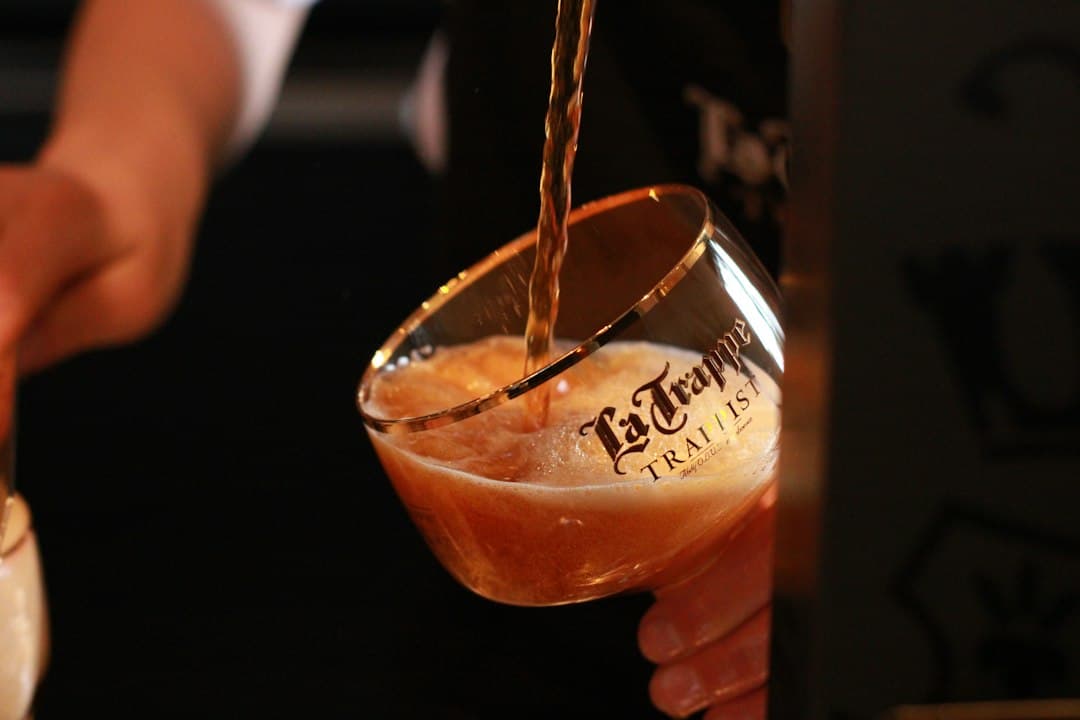
Trappist beer has an almost mythical reputation. There are beers brewed by monks behind abbey walls, beers you can only buy by reservation at the monastery gate, and beers that turn up near the top of almost every “best beer in the world” list. But what actually makes a beer Trappist? It is not a style, a recipe or a flavour. It is a guarantee of where and how the beer was made, and who benefits from it. Here is a beginner’s guide to what Trappist beer is, the main breweries and styles, how it differs from abbey beer and how to enjoy it.
What Makes a Beer Trappist?
The Trappists are a Catholic order of monks and nuns, properly called the Cistercians of the Strict Observance, who follow the Rule of St Benedict. Part of that rule is that communities should support themselves through the work of their own hands, and for centuries many monasteries in the Low Countries did that partly by brewing.
In 1997 a group of Trappist abbeys set up the International Trappist Association to stop commercial brewers trading on the name. Today, a beer can only carry the hexagonal Authentic Trappist Product logo if it meets three conditions:
It is brewed within the walls of a Trappist monastery, or nearby, by or under the supervision of the monks or nuns.
Brewing is secondary to monastic life, and the business is run in keeping with the community’s way of life.
The income covers the community’s living costs and the upkeep of the abbey, and anything left over goes to charity and social causes.
So Trappist is a protected label of origin, a bit like Champagne, rather than a type of beer. A Trappist brewery can make whatever it likes, from a light table beer to a 10% barley wine.
The Trappist Breweries
The list is short, at roughly a dozen, and it changes from time to time as communities shrink and new ones start brewing. Achel in Belgium lost the right to the label in 2021 after its last monks left, for example. The best-known names are:
Westmalle (Belgium): the abbey widely credited with defining both the dubbel and the tripel. Its Tripel is the benchmark for the style.
Westvleteren (Belgium): the smallest and most elusive. Its Westvleteren 12 is famous partly because it is sold in tiny quantities, mainly by reservation at the abbey.
Rochefort (Belgium): rich, dark beers named by number, 6, 8 and 10, with the 10 a deep, port-like strong ale.
Orval (Belgium): a single, unique beer in a skittle-shaped bottle. It is dry-hopped and conditioned with Brettanomyces yeast, so it becomes drier and more rustic as it ages.
Chimay (Belgium): the most widely available, known by the colour of its caps: Red, Blue and the gold-capped Tripel (White).
La Trappe (Netherlands): brewed at the Koningshoeven abbey, with the biggest range, including the beer that popularised the name quadrupel.
Tynt Meadow (England): brewed since 2018 by the monks of Mount St Bernard Abbey in Leicestershire, and the only Trappist beer made in Britain. It is a dark, warming, English-style ale.
There are also Trappist breweries in Austria and Italy, and the occasional new arrival elsewhere. Look for the hexagon on the label if you want to be sure.
The Main Trappist Beer Styles
Trappist breweries do not all make the same beers, but a family of styles has grown up around them, and secular brewers all over the world now copy them:
Enkel or patersbier (around 4–6%): the “single”, a lighter, everyday beer traditionally made for the monks themselves. Westmalle Extra and Chimay Gold are good examples.
Dubbel (around 6–8%): a reddish-brown ale with raisin, plum, toffee and a gentle spiciness, dry and very drinkable for its strength. If you fancy brewing one, try our Belgian dubbel homebrew recipe.
Tripel (around 8–9.5%): golden, highly carbonated and deceptively light, with honey, pepper, citrus and a crisp, bitter finish.
Quadrupel or dark strong ale (10% and above): dark, rich and warming, with flavours of fig, caramel, dark fruit and spice. Rochefort 10 and Westvleteren 12 are the famous examples.
One-offs: Orval sits outside all of these, a dry, hoppy, slightly funky pale ale with a character all of its own.
Trappist Beer vs Abbey Beer
This is the most common point of confusion. Abbey beers, such as Leffe, Grimbergen, Affligem and Tripel Karmeliet, are brewed in a similar style and often carry a monastery’s name or image, but they are made by commercial breweries. Some pay a licence fee to a real abbey, and some take their name from an abbey that closed long ago. Many are excellent beers. They are just not Trappist, because they are not brewed by or under the supervision of a living Trappist community. Belgium has its own separate logo, “Certified Belgian Abbey Beer”, for beers with a genuine link to an abbey.
What Does Trappist Beer Taste Like?
Because Trappist is about origin, there is no single taste, but most share a few traits. They are usually top-fermented ales with a characterful yeast that gives fruity notes such as banana, pear or plum, and spicy ones such as clove and pepper. Most are bottle-conditioned, meaning a little yeast is added at bottling to carbonate the beer naturally, so they are lively and often keep developing for months or years. And many are strong, but well balanced and dry, rather than sweet and syrupy.
How to Serve Trappist Beer
Temperature: not too cold. Around 8–10°C for tripels and lighter beers, and 12–14°C for dubbels and quads, so the aroma can come through.
Glassware: a wide chalice or goblet is traditional, and most of the breweries have their own. A tulip or large wine glass works well too.
Pour carefully: pour in one smooth movement and leave the last centimetre or so of yeast sediment in the bottle, unless you prefer it cloudy. Some drinkers like to swirl it in, which is also fine.
Store upright: keep bottles standing in a cool, dark place so the yeast settles at the bottom.
Sip, do not session: many Trappist beers are 8–11%, so a single 330ml bottle can hold more alcohol than a pint of standard bitter. Treat them like a glass of wine, have water alongside and enjoy them slowly.
Food Pairings
Several abbeys also make cheese, which tells you something: Trappist beers are made for the table. A dubbel is lovely with a beef and beer stew or braised lamb. A tripel cuts through mussels, roast chicken and creamy dishes. Orval works with salty, washed-rind cheeses, and a quad is a fine partner for strong blue cheese, dark chocolate or a sticky toffee pudding.
Where to Start
If you are new to Trappist beer, Chimay Red or Westmalle Dubbel is an easy way in: rich, fruity and widely available. Move on to Westmalle Tripel to see how a strong golden ale can taste so light, then try Orval for something completely different. If you get the chance, seek out Tynt Meadow for a home-grown Trappist, and save a Rochefort 10 for a cold winter evening. Few corners of the beer world have this much history in every glass.