Northern English Brown Ale: Nutty, Malty 20-Litre Homebrew Recipe
A chestnut-brown northern English brown ale at about 4.9% ABV. Maris Otter, crystal, amber and a little chocolate malt give hazelnut, biscuit and toffee, balanced by East Kent Goldings and Fuggle.
Brown Ale · 4.9% ABV · 23 IBU · 20 Litres · 10-14 days primary, then 2 weeks to carbonate · beginner
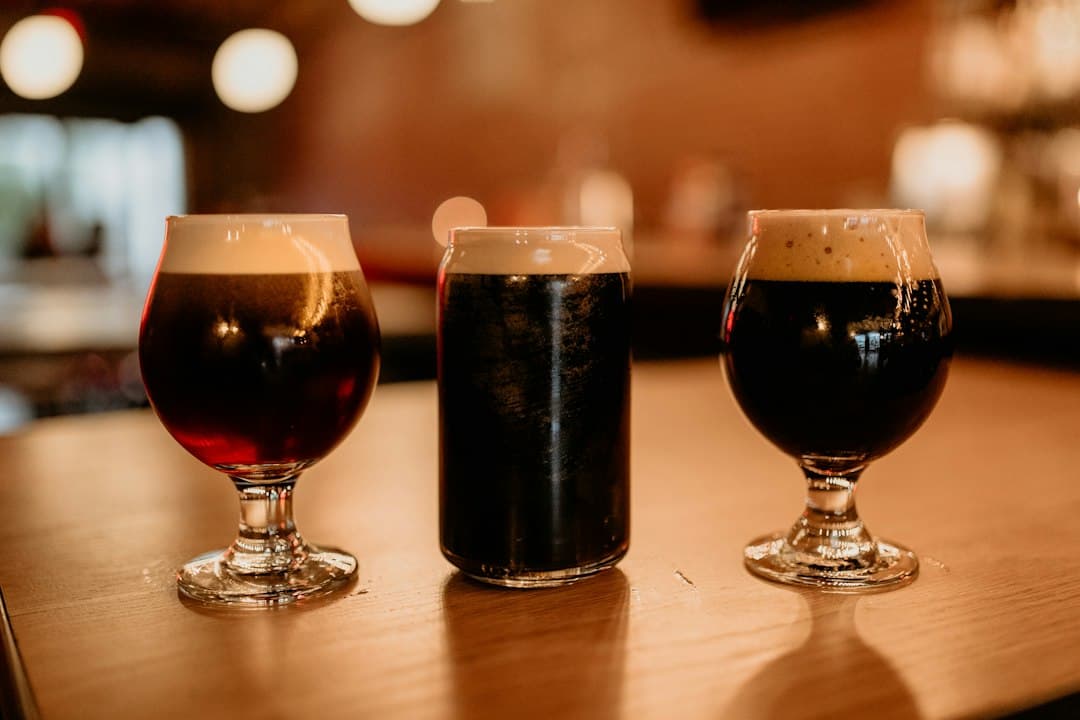
Brewing figures
- Original gravity
- 1.050
- Final gravity
- 1.013
Brown ale is one of Britain's great everyday beers: a chestnut-coloured pint with a nutty, biscuity malt character, a hint of toffee and chocolate, and just enough hop bitterness to stop it tasting sweet. The northern English version, made famous on Tyneside, is a little stronger and drier than the soft, sweet brown ales of the south, and it is the one most homebrewers want to make. At around 4.9% ABV it has enough body to stand up to a cold evening but stays easy to drink. It is also a very forgiving beer to brew: there are no tricky hop additions, no lagering and no fussy yeast, so it is a great second or third recipe once you have a pale ale under your belt.
Recipe at a Glance
Batch size: 20 litres into the fermenter
Original gravity (OG): 1.050
Final gravity (FG): 1.013
ABV: approx. 4.9%
Bitterness: approx. 23 IBU (Tinseth)
Colour: chestnut to mid brown, with ruby highlights against the light
Brewhouse efficiency assumed: 70%
Equipment Needed
Brew kettle of at least 30 litres (or an all-in-one electric system)
Mash tun, or a large grain bag for brew-in-a-bag (BIAB)
Fermenting vessel of 25 litres or more, with airlock
Hydrometer and trial jar
Digital thermometer
Wort chiller or an ice bath
No-rinse sanitiser
Bottling bucket, bottles (about 40 x 500ml) and caps, or a keg
Kitchen scales and a long stirring paddle
Ingredients (20 Litres)
Grains (all-grain)
3.9 kg Maris Otter pale malt
300 g medium crystal malt (about 120–150 EBC)
200 g amber malt (for the nutty, biscuity edge)
100 g chocolate malt (for colour and a light cocoa note)
Extract + steep option
2.9 kg light dry malt extract (or 3.4 kg light liquid malt extract)
300 g medium crystal malt – steeped in a grain bag at 65–70°C for 30 minutes
100 g chocolate malt – steeped with the crystal
Leave out the amber malt (it needs mashing); the extra extract covers the gravity
Hops
30 g East Kent Goldings (about 5–6% alpha acid) – 60 minute boil
15 g Fuggle (about 4–5% alpha acid) – 15 minute boil
Yeast and Extras
1 sachet of an English ale yeast such as SafAle S-04, or a liquid strain like Wyeast 1968 London ESB or WLP002 English Ale
1 Irish moss or Protafloc tablet at 15 minutes, for a clear beer
About 100 g dextrose for priming, if bottling
No amber malt? Biscuit malt gives a very similar toasty, nutty note. Avoid swapping the chocolate malt for roasted barley; that pushes the beer towards a stout and adds a sharp, coffee-like edge that brown ale shouldn't have.
Mashing
Heat the strike water: Bring about 13.5 litres of water to roughly 73°C so that adding the grain brings you down to mash temperature.
Mash in: Stir the crushed grain in slowly, breaking up any dough balls.
Rest: Hold at 67°C for 60 minutes. That slightly higher temperature leaves a little more body and keeps the malt rounded.
Mash out (optional): Raise to 75°C for 10 minutes.
Sparge: Rinse with water at about 75°C until you have roughly 25–26 litres in the kettle, or your usual pre-boil volume for a 20-litre batch.
The Boil
Bring the wort to a rolling boil and add the East Kent Goldings. Boil for 60 minutes.
With 15 minutes left, add the Fuggle and the Irish moss.
Switch off the heat and chill the wort as quickly as you can to about 18°C.
Fermentation
Transfer to a sanitised fermenter, aerate well and pitch the yeast.
Ferment at 18–19°C. English yeast at this temperature gives a soft hint of fruit that suits the nutty malt.
After 4–5 days, let the temperature rise to about 20–21°C so the yeast finishes cleanly.
Leave for 10–14 days in total, until the gravity is steady near 1.013 for three days running.
If you can, cold-crash at 2–4°C for a couple of days before packaging to drop the yeast out.
Packaging
Bottle with priming sugar or keg at a gentle 1.8–2.1 volumes of CO2. Brown ale should feel soft and smooth rather than fizzy. Leave bottles somewhere around room temperature for two weeks to carbonate, then move them somewhere cool. It is drinkable after three weeks in the bottle, and the malt usually rounds out nicely over the following month.
Tasting Notes and Tips
Expect hazelnut, digestive biscuit and light toffee, a whisper of cocoa, and a dry, gently bitter finish with earthy English hops.
Too sweet? Mash at 65–66°C next time, or trim the crystal malt to 200 g.
Too thin? Mash a degree warmer, or use a less attenuative yeast such as Windsor.
Want it darker? Add another 25–50 g of chocolate malt, but go carefully: too much tips it into porter territory.
Serve at 10–12°C in a nonic pint glass. Straight from the fridge it will taste thin and the nutty character disappears.
Northern vs Southern Brown Ale
Britain has two quite different brown ale traditions. The northern style, the one in this recipe, is around 4.5–5% ABV, amber to chestnut in colour, and fairly dry and nutty. The southern (London) style is darker, sweeter and much weaker, often well under 4%, and was traditionally a bottled beer. If you fancy the southern version, raise the crystal and chocolate malts, mash at 69°C and aim for an OG nearer 1.036.
Food Pairing
Brown ale is one of the most food-friendly beers you can brew. Try it with a Sunday roast, sausage and mash with onion gravy, a pork pie, a ploughman's with mature Cheddar, or a mushroom and ale pie. Its nutty side is also lovely with a sticky toffee pudding.
A good brown ale is a quiet classic: cheap to brew, quick to condition and loved by almost everyone who tries it. Get the mash temperature right, serve it a little warmer than you think, and it may well become your house beer.