English Dark Mild: Soft, Sessionable Homebrew Recipe
A deep brown, gently sweet English dark mild at about 3.5% ABV. Maris Otter, crystal and a touch of chocolate malt with East Kent Goldings and Fuggles make a 20-litre session pint with real cellar character.
Dark Mild · 3.5% ABV · 18 IBU · 20 Litres · 5-7 days primary + 2-3 weeks conditioning · beginner
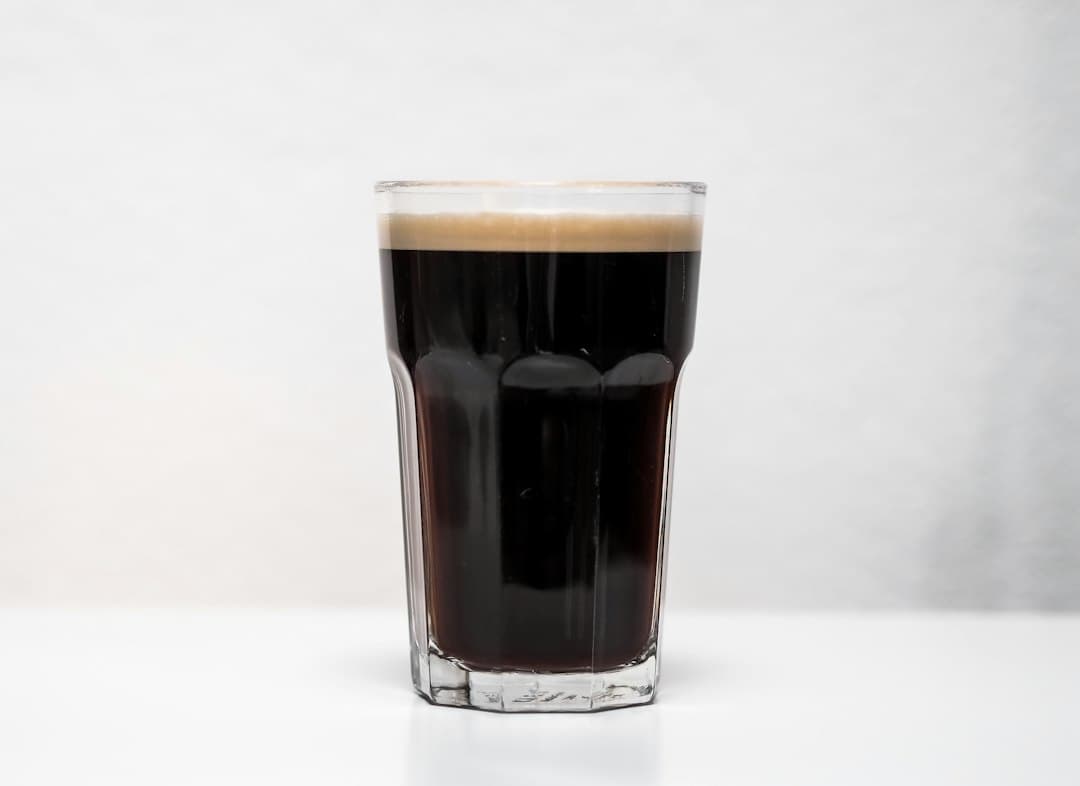
Brewing figures
- Original gravity
- 1.036
- Final gravity
- 1.010
English dark mild is the quiet hero of the British cellar: deep brown, gently sweet, softly roasted and low enough in strength that you can settle in for a proper session. At around 3.5% ABV it drinks lighter than it looks, with toffee, biscuit and a whisper of chocolate rather than heavy stout bitterness. This 20-litre all-grain recipe (with an extract+steep option) is ideal once you have a brew or two under your belt, or as a confident first step into darker malts.
Recipe at a Glance
Batch size: 20 litres into the fermenter
Original gravity (OG): 1.036
Final gravity (FG): 1.010
ABV: approx. 3.5%
Bitterness: approx. 18 IBU (Tinseth)
Colour: deep ruby-brown to near black
Brewhouse efficiency assumed: 70%
Equipment Needed
Brew kettle of at least 30 litres (or an all-in-one electric system)
Mash tun, or a large grain bag for brew-in-a-bag (BIAB)
Fermenting vessel of 25 litres or more, with airlock
Hydrometer and trial jar
Digital thermometer
Wort chiller or an ice bath
No-rinse sanitiser
Bottling bucket, bottles (about 40 x 500ml) and caps, or a small cask/keg
Kitchen scales and a long stirring paddle
Ingredients (20 Litres)
Grains (all-grain)
2.8 kg Maris Otter pale ale malt
350 g crystal malt (about 120–150 EBC)
150 g chocolate malt
50 g roasted barley (optional, for a drier edge and deeper colour)
Extract + steep option
2.2 kg light dry malt extract (or 2.6 kg light liquid malt extract)
350 g crystal malt (120–150 EBC), 150 g chocolate malt, 50 g roasted barley — steeped in a grain bag at 65–70°C for 30 minutes before the boil
Hops
25 g East Kent Goldings (about 5.5% alpha acid) – 60 minute boil
10 g Fuggles (about 4.5% alpha acid) – 15 minute boil
Yeast and Extras
1 sachet (11 g) of a dry English ale yeast, rehydrated
1 Irish moss (kettle finings) tablet – 10 minutes before the end of the boil (optional)
About 80 g dextrose (brewing sugar) for priming, if bottling
Hop alpha acids vary by harvest. If yours differ from the numbers above, scale the 60-minute Goldings addition so you stay near 18 IBU — mild should be soft, not bitter.
Mashing
Heat the strike water: Heat about 10 litres of water to roughly 73°C so that adding room-temperature grain lands you at mash temperature.
Mash in: Stir the crushed grain in slowly, breaking up any dough balls.
Rest: Hold the mash at 67–68°C for 60 minutes. The slightly warmer rest leaves a little residual sweetness that suits dark mild.
Sparge: Rinse with about 18 litres of water at 76–77°C, collecting roughly 24 litres of wort. BIAB brewers can mash with the full volume (about 27–28 litres at 69–70°C) and lift the bag.
Boil
Bring the wort to a rolling boil and add the 25 g of East Kent Goldings. Boil for 60 minutes in total.
With 15 minutes to go, add the Fuggles.
With 10 minutes to go, add the Irish moss tablet if using.
At flameout, chill the wort to 18–19°C as quickly as you can, then transfer to your sanitised fermenter, leaving hop and protein debris behind. You should have about 20 litres at roughly 1.036.
Fermentation
Aerate the wort well by sloshing the fermenter, then pitch the rehydrated yeast.
Ferment at 18–20°C. Mild usually ferments cleanly and fairly quickly.
After 5–7 days, check the gravity on two consecutive days. When it is stable around 1.009–1.011, fermentation is finished.
Packaging and Conditioning
Bottling: Dissolve about 80 g of dextrose in a little boiled water, add it to your bottling bucket and rack the beer on top. Aim for a gentle ~2 volumes of CO2 — soft sparkle, not lager fizz.
Mini cask or keg: Prime more lightly (around 40–50 g) for a traditional soft condition.
Carbonate at room temperature for about two weeks, then cool-condition for at least another week. Mild is at its best fresh; drink it within a couple of months.
Serving
Serve at cellar temperature, 11–13°C, in a nonic or dimpled pint. Expect biscuit and light toffee up front, a soft cocoa note from the chocolate malt, and a dryish finish that invites another sip. It pairs beautifully with a ploughman's, a cheese board or a quiet midweek evening.
Tips for Success
Do not overdo the roast. Chocolate malt and roasted barley go a long way; too much and the beer tips into stout territory.
Keep bitterness modest. Mild is about malt balance, not hop bite.
Sanitise everything that touches the wort after the boil.
Drink it fresh. The delicate roast-and-toffee character fades if you leave bottles for months.