English Golden Ale: Crisp, Zesty 20-Litre Homebrew Recipe
A pale, crisp British golden ale at about 4.4% ABV. A simple pale malt base, Challenger and First Gold for bitterness and a late charge of Cascade or Jester for a bright citrus aroma.
Golden Ale · 4.4% ABV · 32 IBU · 20 Litres · 5-7 days primary, then 2-3 weeks bottle conditioning · beginner
Brewing figures
- Original gravity
- 1.044
- Final gravity
- 1.010
Golden ale is the beer that tempted a generation of lager drinkers into British pubs. Pale straw to light gold, crisp and refreshing, but still a proper top-fermented ale with a soft malt base and a bright, zesty hop aroma, it sits somewhere between a best bitter and a pale lager. Brewers such as Hop Back with Summer Lightning and Exmoor with Exmoor Gold helped make the style a fixture on cask in the 1980s, and today almost every British brewery has one. This recipe keeps the malt bill simple and pale, uses English hops for bitterness and a late charge of citrusy hops for aroma, and is a forgiving brew for anyone moving on from their first few batches.
Recipe at a Glance
Batch size: 20 litres into the fermenter
Original gravity (OG): 1.044
Final gravity (FG): 1.010
ABV: approx. 4.4%
Bitterness: approx. 32 IBU (Tinseth)
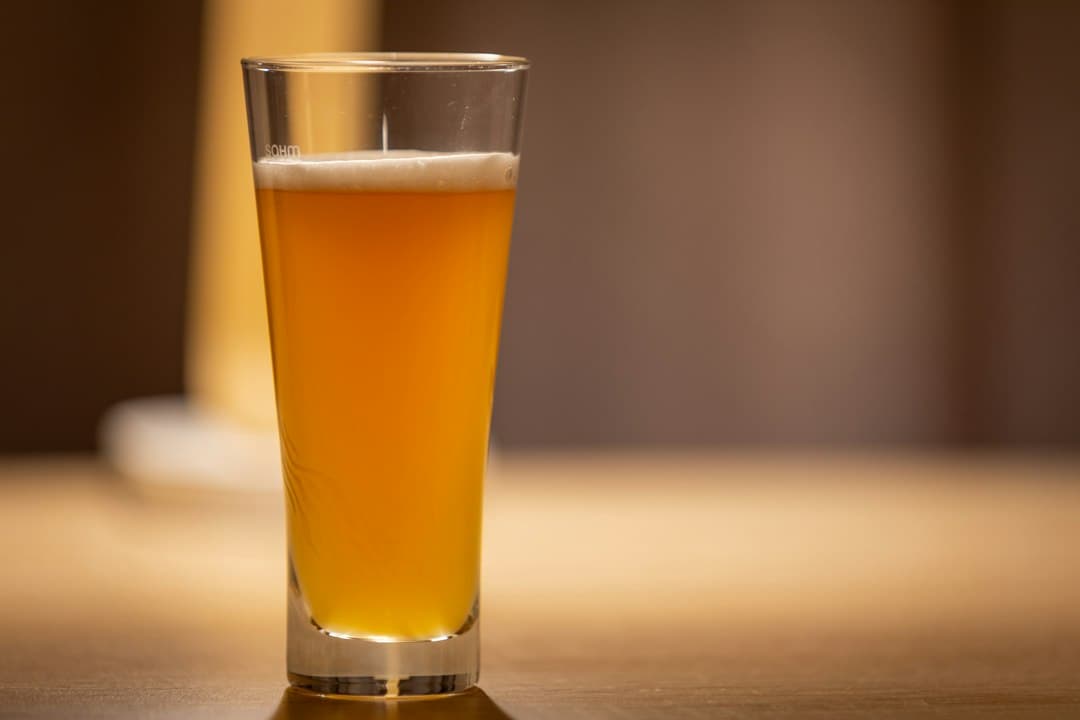
Colour: pale straw to light gold
Brewhouse efficiency assumed: 70%
Equipment Needed
Brew kettle of at least 30 litres (or an all-in-one electric system)
Mash tun, or a large grain bag for brew-in-a-bag (BIAB)
Fermenting vessel of at least 23 litres with an airlock
Hydrometer and trial jar
Digital thermometer
Wort chiller or an ice bath
No-rinse sanitiser
Bottles (about 40 x 500ml) and caps, or a keg or pressure barrel
Ingredients (20 Litres)
Grains (all-grain)
3.6 kg pale ale malt (Maris Otter or a lighter-coloured English pale malt such as Golden Promise)
250 g wheat malt (for head retention)
150 g Carapils or other dextrin malt (for body without colour)
Extract option
2.4 kg extra light dry malt extract in place of the pale and wheat malts
Steep the Carapils in about 3 litres of water at 65–70°C for 30 minutes, remove the grain, then top up and bring to the boil
Add half the extract at the start of the boil and the rest with 15 minutes to go, which keeps the colour paler
Hops
25 g Challenger (about 7% alpha acid) – 60 minute boil
20 g First Gold (about 7.5% alpha acid) – 15 minutes
30 g Cascade or UK-grown Jester – at flameout, steeped for 15 minutes
Optional: 25 g of the same aroma hop as a dry hop for three days at the end of fermentation
Yeast and Extras
1 pack of a clean, fairly attenuative English ale yeast: SafAle S-04 or Lallemand Nottingham (dry), or Wyeast 1098 British Ale or WLP007 Dry English Ale (liquid)
1 Protafloc or Irish moss tablet – 10 minutes before the end of the boil
About 100 g dextrose for bottle priming (or 80 g for a softer, more cask-like condition)
Mashing
Heat about 13 litres of water to 72–73°C (BIAB brewers use the full volume, around 26 litres, at 69–70°C).
Stir in the grain and check the mash settles at 65°C. A slightly low mash temperature gives a drier, crisper beer, which is what you want here.
Hold at 65°C for 60 minutes.
Sparge with water at 75–77°C to collect about 25–26 litres of wort, enough to finish with 20–21 litres after the boil.
Take a pre-boil gravity reading. Expect around 1.037–1.038.
The Boil
Bring the wort to a rolling boil and add the Challenger. Start a 60 minute timer.
With 15 minutes left, add the First Gold.
With 10 minutes left, add the Protafloc tablet and drop in your chiller to sanitise it.
At flameout, add the Cascade or Jester and let it steep for 15 minutes before chilling.
Chill the wort to 18–19°C as quickly as you can and transfer it to the sanitised fermenter, leaving the hop debris behind.
Fermentation
Check the original gravity. Aim for about 1.044; add a little boiled and cooled water if you are well over.
Aerate the wort well and pitch the yeast.
Ferment at 18–19°C. Golden ale should taste clean, so avoid letting it run warm in the first three days, when most of the flavour is formed.
Fermentation usually finishes in 5–7 days. If you are dry hopping, add the hops once activity has calmed down and leave them for three days.
Confirm the final gravity of around 1.010 is stable over two days before packaging.
Packaging
Dissolve the priming sugar in a little boiled water, add it to a sanitised bottling bucket and rack the beer onto it gently.
Bottle, cap and keep at room temperature for two weeks to carbonate.
Move the bottles somewhere cool for a further one to two weeks. The beer clears and the hop aroma settles into place.
For a keg, aim for a modest 2.0–2.2 volumes of CO2. Golden ale should be lively but not fizzy.
Tasting Notes and Tips
Expect a pale, bright beer with a white head, a light biscuit and honey malt character, firm but clean bitterness and a lemony, grapefruit or tropical aroma depending on the late hop. It should finish dry and leave you reaching for another sip.
Keep it pale: skip crystal malt entirely. Even a small amount darkens the beer and adds a sweetness that blurs the crisp finish.
Water: if your water is soft, a little gypsum (calcium sulphate) in the mash helps the hops taste sharper. Hard water areas can usually brew this as it is.
Hop swaps: for an all-English version use Goldings and Bramling Cross; for something more modern try Citra or Mosaic at flameout.
Drink it fresh: golden ale is at its best within two months of bottling, while the hop aroma is still bright.
Golden Ale, Blonde Ale and Best Bitter
The names overlap, so it helps to know roughly where the lines sit. A best bitter is amber to copper, with crystal malt sweetness and a more earthy English hop profile. A golden ale is paler, drier and usually more aromatic, often with American or New World hops alongside British ones. American blonde ale is similar in colour but tends to be softer and less bitter, aimed squarely at being an easy-drinking gateway beer.
Food Pairing
A cold golden ale is a natural match for fish and chips, salt and pepper squid, chicken salads and soft goat's cheese. The bitterness cuts through batter and oil, and the citrus hop aroma works the way a squeeze of lemon does.