Hazy Pale Ale: Juicy, Soft and Hop-Forward Homebrew Recipe
A soft, juicy hazy pale ale packed with citrus and stone-fruit hop aroma. Oats and wheat give a pillowy body, while whirlpool and double dry hopping deliver big flavour at a modest 5.4% ABV and 28 IBU.
Hazy Pale Ale · 5.4% ABV · 28 IBU · 20 Litres · 10-12 days including dry hopping, then 1-2 weeks to carbonate · intermediate
Brewing figures
- Original gravity
- 1.054
- Final gravity
- 1.013
Hazy pale ale is the soft, juicy cousin of the classic pale ale: low in bitterness, high in hop aroma, and with a pillowy, almost creamy body from a generous helping of oats and wheat. Brewing one well is all about late hops, a chloride-rich water profile and keeping oxygen away from the finished beer. This 20-litre recipe lands at 5.4% ABV with bright citrus, peach and pine notes.
Recipe at a Glance
Batch size: 20 litres into the fermenter (about 19 litres packaged after dry hopping)
Original gravity (OG): 1.054
Final gravity (FG): 1.013
ABV: approx. 5.4%
Bitterness: approx. 28 IBU (Tinseth, including whirlpool)
Colour: pale straw, opaque
Brewhouse efficiency assumed: 70%
Equipment Needed
Brew kettle of at least 30 litres (or an all-in-one electric brewing system)
Mash tun, or a large grain bag for BIAB
Fermenting vessel of 25 litres or more, ideally one you can dry hop into without opening fully
Hydrometer, trial jar and digital thermometer
Wort chiller
Mesh hop bags (optional, but they make dry hopping tidier)
No-rinse sanitiser
A keg with CO2 is ideal; bottles work if you drink them fresh
Ingredients (20 Litres)
Grains
4.0 kg pale ale malt
600 g flaked oats
500 g wheat malt
Hops
10 g Centennial (about 10% alpha acid) – 60 minute boil
50 g Cascade (about 6.5% alpha acid) – whirlpool, 20 minutes at 80°C
50 g Centennial – whirlpool, 20 minutes at 80°C
60 g Cascade/Centennial blend – first dry hop, day 2 of fermentation
60 g Cascade/Centennial blend – second dry hop, day 6–7
Yeast, Water and Extras
1–2 sachets of a low-flocculating ale yeast suited to hazy beers (an English or London-style strain works well)
Calcium chloride and a little calcium sulphate, to aim for roughly twice as much chloride as sulphate
About 110 g dextrose for priming, if bottling
Want a different fruit profile? Swap the whirlpool and dry hops for any aromatic, tropical-leaning variety you like, keeping the weights the same.
Mashing
Strike water: Heat about 14 litres of water to roughly 74°C.
Mash in: Stir in the crushed malt and the flaked oats, breaking up any lumps.
Rest: Hold at 67°C for 60 minutes for a fuller, softer body.
Sparge: Rinse with about 16 litres of water at 76–77°C to collect roughly 25 litres of wort. Oats can make the run-off slow, so take your time (a handful of rice hulls helps).
Boil and Whirlpool
Boil for 60 minutes, adding the 10 g of Centennial at the start.
At the end of the boil, cool the wort to about 80°C, then add the 100 g of whirlpool hops. Stir gently and let them steep for 20 minutes. Keeping the temperature below boiling preserves aroma without adding much bitterness.
Chill to 19°C and transfer to the fermenter. Hops soak up wort, so expect to lose a litre or two in the kettle.
Fermentation and Dry Hopping
Aerate the wort and pitch the yeast at 19°C. Hold at 19–20°C.
Day 2: While fermentation is vigorous, add the first 60 g of dry hops. Active yeast interacts with the hop compounds and scavenges any oxygen introduced.
Day 6–7: When the gravity is close to 1.014, add the second 60 g of dry hops.
Leave the hops in contact for 3 days, then cold crash to 2–4°C for a day or two if you can. Do not leave the hops in for much longer than 4 days, as grassy flavours can creep in.
Packaging
Kegging (best): Transfer into a keg purged with CO2 and carbonate to about 2.4 volumes.
Bottling: Prime with about 110 g of dextrose for roughly 19 litres, transfer gently with minimal splashing, and leave only a small headspace in each bottle.
Oxygen is the enemy of hazy beers: it turns them dull, brownish and cardboard-like. Avoid splashing at every stage.
Serving
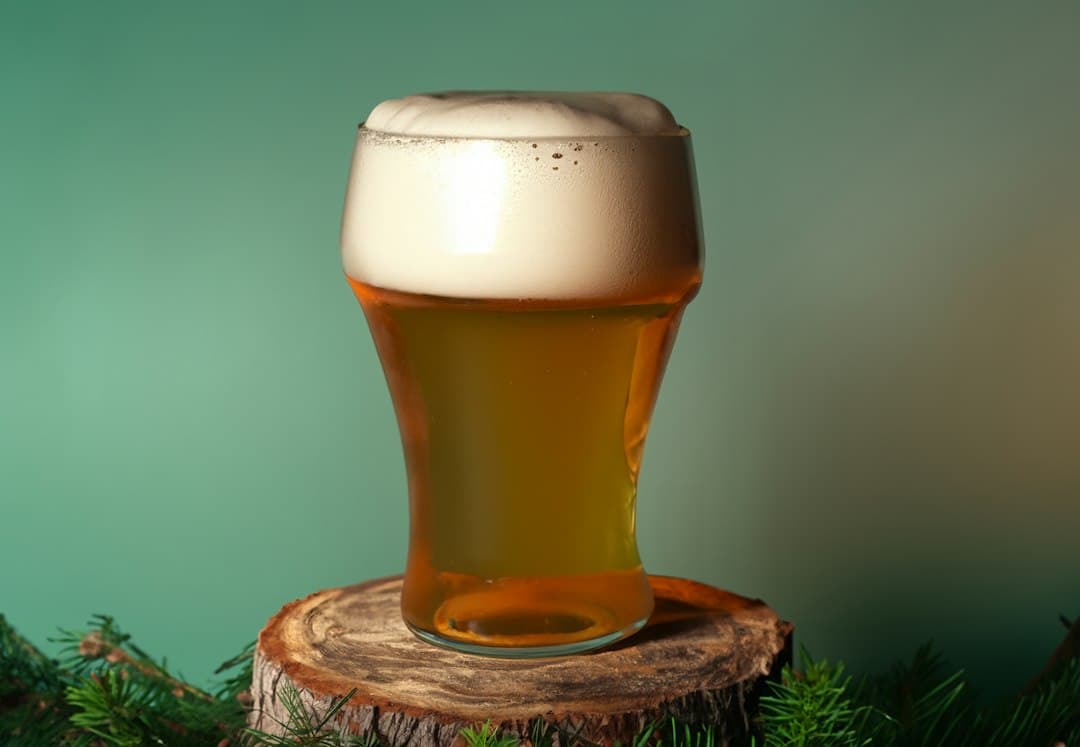
Serve cold, at 6–8°C, in a tulip or tumbler glass. Expect a soft mouthfeel, a gentle bitterness and big aromas of orange, grapefruit, stone fruit and a touch of pine. Drink it fresh: hazy pale ales are at their peak within four to six weeks of packaging.
Tips for Success
Store it cold once it is carbonated, and keep the hop aroma bright.
Don't chase clarity. The haze comes from proteins, oats and hop compounds and is part of the style, so skip the finings.
Use fresh hops. Vacuum-packed hops stored in the freezer give the best aroma.
Keep notes of gravities and hop timings so you can tweak the next batch.