Midnight Roast Oatmeal Stout
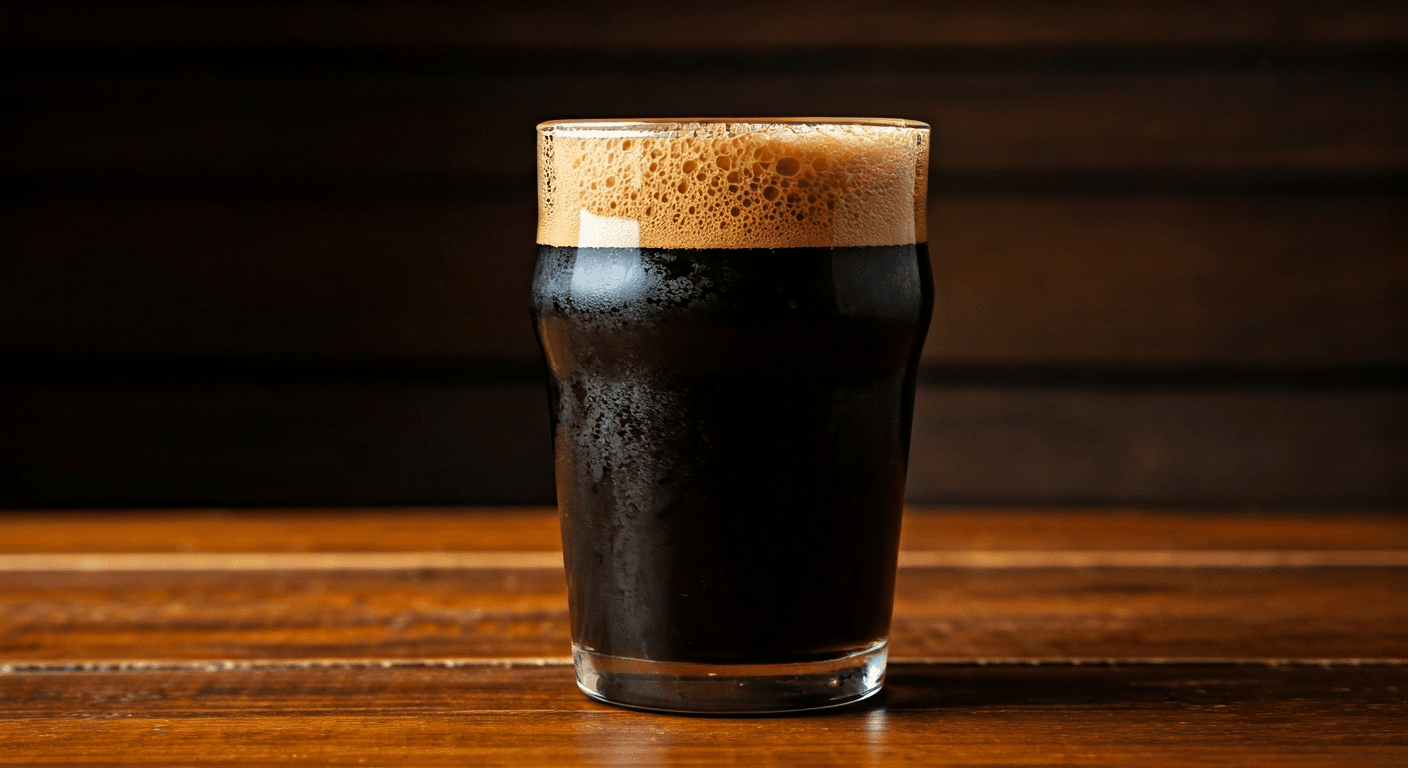
Brew a velvety smooth and decadent stout featuring rich notes of dark chocolate, freshly brewed coffee, and subtle caramel. This intermediate-level recipe yields a satisfying 23L batch with a creamy mouthfeel and a perfectly balanced roast character.
Stout · 5.8% ABV · 25 IBU · 23L · 2-3 weeks · intermediate
Brewing figures
- Original gravity
- 1.062
- Final gravity
- 1.018
Equipment Needed
Before you begin, ensure you have all your equipment clean and sanitised. This is the most crucial step in brewing!
Large Brew Kettle (minimum 30L capacity)
Mash Tun (with false bottom or bag)
Hot Liquor Tank (HLT) or another large pot for heating sparge water
Fermentation Vessel (25L+ capacity, e.g., carboy or plastic fermenter)
Airlock and Bung
Thermometer (accurate for brewing)
Hydrometer and Test Jar
Long Stirring Spoon/Paddle
Sanitiser (e.g., Star San, VWP)
Cooling Coil (immersion chiller) or large ice bath
Bottling Bucket with spigot (if bottling)
Bottles, Caps, and Capper OR Kegging Equipment
Grain Mill (if milling your own grain)
Measuring Jugs and Scales
Ingredients (for 23 Litres / 5 Gallons)
Grains
4.5 kg Maris Otter Pale Malt
700 g Flaked Oats
400 g Roasted Barley
300 g Chocolate Malt
200 g Crystal Malt (120L / 300 EBC)
Hops
30 g Fuggle Hops (4.5% AA) - 60 minute addition
Yeast
1 packet (11.5g) SafAle S-04 English Ale Yeast OR Wyeast 1968 (London ESB Ale) / White Labs WLP002 (English Ale)
Water & Other
Approx. 28-30 Litres of brewing water (adjusted for mash and sparge)
Irish Moss or Whirlfloc tablet (15 minutes before end of boil)
Priming Sugar (for bottling, e.g., 150g Dextrose/Corn Sugar)
Brewing Day Instructions
1. Sanitize Everything!
This cannot be stressed enough. All equipment that will come into contact with your wort AFTER the boil must be thoroughly cleaned and sanitised. Use a no-rinse sanitiser like Star San according to the manufacturer's instructions.
2. Mashing Instructions
Heat Mash Water: Heat approximately 18 litres of brewing water in your HLT or kettle to around 72-74°C (162-165°F).
Dough In: Transfer the hot water to your mash tun. Slowly add your crushed grains, stirring continuously to break up any dough balls and ensure all the grain is wet. Aim for a mash temperature of 68°C (154°F). This temperature promotes a good balance of fermentable sugars for ABV and unfermentable dextrins for body and mouthfeel.
Mash Rest: Close your mash tun and let it rest for 60 minutes, maintaining the temperature as consistently as possible. Insulate your mash tun well.
Mash Out (Optional but Recommended): After 60 minutes, slowly raise the mash temperature to 76°C (170°F) by adding hot water or recirculating through a heating element. Hold for 10 minutes. This stops enzymatic activity and makes the wort less viscous for sparging.
3. Lautering & Sparging
Recirculate (Vorlauf): Slowly open the valve on your mash tun and collect the first litre or two of wort in a jug. Gently pour this cloudy wort back over the grain bed until the runnings appear clear. This helps set the grain bed as a filter.
Collect First Runnings: Once clear, begin to collect the wort into your brew kettle.
Sparge: As the liquid level approaches the top of the grain bed, slowly add sparge water (heated to 76°C / 170°F) over the grain bed. Aim to add sparge water at the same rate you are draining wort into the kettle. You'll need approximately 12-14 litres of sparge water. Continue until you have collected around 26-27 litres of pre-boil wort.
4. Boiling & Hopping
Bring to a Boil: Once you've collected your wort, bring it to a rolling boil. Be careful of boil-overs, especially as it approaches boiling point.
Hop Addition (60 mins): As soon as the boil starts, add 30g Fuggle hops. This is your bittering addition.
Clarifying Agent (15 mins): With 15 minutes remaining in the boil, add your Irish Moss or Whirlfloc tablet.
Boil End: After a total of 60 minutes, turn off the heat.
5. Cooling the Wort
Rapid Cooling: Cool the wort as quickly as possible to pitching temperature (around 18-20°C / 64-68°F). Use an immersion chiller or place the kettle in an ice bath. Rapid cooling helps prevent off-flavours and potential infection.
Transfer to Fermenter: Once cooled, transfer the wort to your sanitised fermentation vessel. Try to aerate the wort during transfer (e.g., by splashing or using an aeration stone) as yeast needs oxygen to multiply effectively.
Measure Original Gravity (OG): Before pitching yeast, take a sample of your cooled wort and measure its Original Gravity using your hydrometer. Record this reading.
6. Fermentation
Pitch Yeast: Ensure your yeast is properly hydrated if it's dry yeast (follow manufacturer's instructions) or at room temperature if it's liquid. Pitch the yeast into the fermenter.
Seal & Airlock: Seal your fermenter with a sanitised airlock filled with sanitiser solution.
Fermentation Temperature: Place the fermenter in a dark place with a stable temperature, ideally between 18-20°C (64-68°F) for this English Ale yeast.
Primary Fermentation: Fermentation will typically start within 12-24 hours. Let it ferment for 1-2 weeks, or until bubbling in the airlock slows significantly or stops entirely.
Measure Final Gravity (FG): After 1-2 weeks, take another hydrometer reading. If the reading is stable for 2-3 days, fermentation is complete. Record this Final Gravity.
Conditioning (Optional): For an even smoother stout, you can cold crash the beer for 2-3 days at 0-4°C (32-40°F) before packaging. This helps to drop out yeast and other particulates, leading to a clearer beer.
7. Bottling/Kegging
Sanitise: Thoroughly sanitise your bottling bucket, bottles/keg, caps, and any other equipment that will touch the beer.
Prepare Priming Sugar (for bottling): Dissolve 150g of Dextrose (corn sugar) in 250ml of hot water. Boil for 5 minutes, then let it cool.
Transfer & Prime: Gently siphon your beer from the fermenter into the bottling bucket, leaving any yeast sediment behind. Add the cooled priming sugar solution to the beer and stir gently to combine.
Bottle/Keg: Fill your sanitised bottles, leaving about 2-3 cm of headspace. Cap immediately. If kegging, transfer the beer to your sanitised keg and carbonate according to your system's instructions.
Bottle Conditioning: Store bottled beer at room temperature (18-20°C / 64-68°F) for 2-3 weeks to allow for carbonation.
Enjoy!: Once carbonated, chill your Midnight Roast Oatmeal Stout and enjoy!
Tips for Success
Water Chemistry: For stouts, a slightly higher alkalinity and calcium can enhance the roast character. Consider adding a small amount of brewing salts like Calcium Carbonate (chalk) or Gypsum if your water is very soft.
Grain Crush: Ensure your grains are crushed well but not to a flour consistency. A good crush exposes the starch without creating a stuck mash.
Temperature Control: Maintaining consistent mash and fermentation temperatures is key to producing a high-quality beer.
Patience: Don't rush fermentation or conditioning. Good beer takes time. This stout will benefit from a few extra weeks of conditioning in the bottle or keg.
Roast Character: If you want more intense coffee notes, you can steep a small amount of cold-brew coffee in the fermenter for a few days before packaging.