Vienna Lager: Clean, Malty 20-Litre Homebrew Recipe
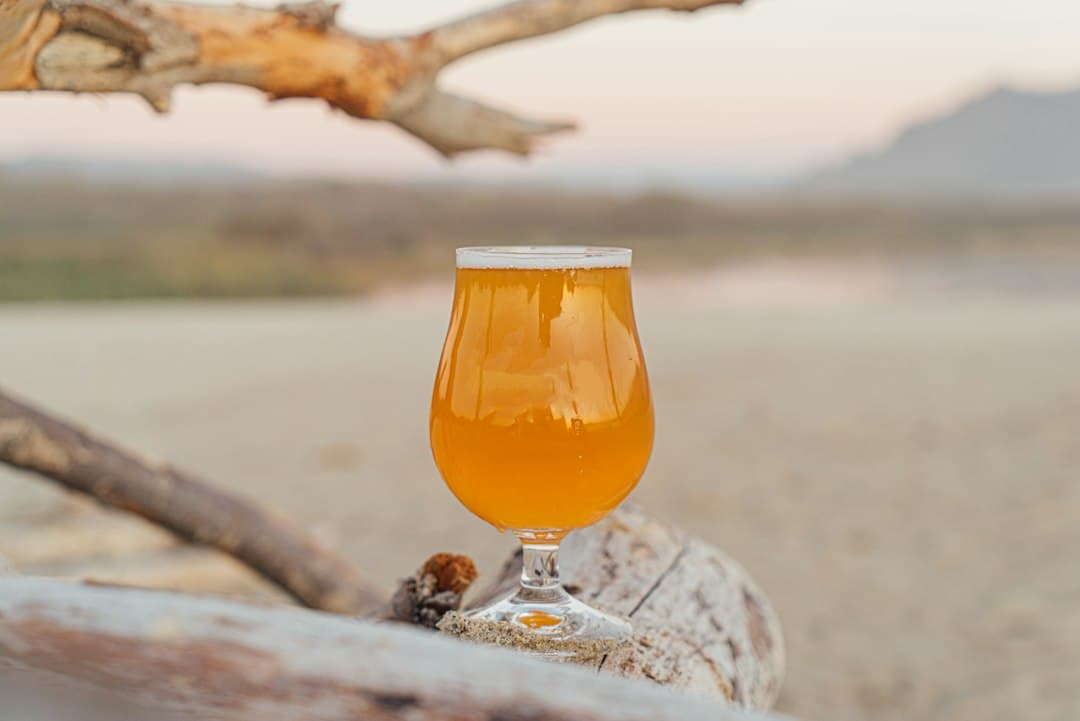
A deep gold to light amber Vienna lager at about 5.0% ABV. Vienna and Munich malt with noble hops make a clean, toast-forward 20-litre homebrew with classic Continental character.
Vienna Lager · 5.0% ABV · 22 IBU · 20 Litres · 10-14 days primary + 2-4 weeks lagering · intermediate
Brewing figures
- Original gravity
- 1.050
- Final gravity
- 1.012
Vienna lager is the amber middle ground of Continental lager: toastier than a pilsner, cleaner and lighter than a Märzen, with a soft malt sweetness and a dry, polished finish. At around 5.0% ABV it is eminently drinkable, with biscuit, light caramel and a gentle floral hop note rather than heavy roast or big bitterness. This 20-litre all-grain recipe (with an extract+steep option) is a solid step once you are comfortable with temperature control, and it rewards a proper cold fermentation and lagering period.
Recipe at a Glance
Batch size: 20 litres into the fermenter
Original gravity (OG): 1.050
Final gravity (FG): 1.012
ABV: approx. 5.0%
Bitterness: approx. 22 IBU (Tinseth)
Colour: deep gold to light amber
Brewhouse efficiency assumed: 70%
Equipment Needed
Brew kettle of at least 30 litres (or an all-in-one electric system)
Mash tun, or a large grain bag for brew-in-a-bag (BIAB)
Fermenting vessel of 25 litres or more, with airlock
A way to hold fermentation around 10–12°C (fridge with temperature controller, cellar, or cold garage)
Hydrometer and trial jar
Digital thermometer
Wort chiller or an ice bath
No-rinse sanitiser
Bottling bucket, bottles (about 40 x 500ml) and caps, or a keg
Kitchen scales and a long stirring paddle
Ingredients (20 Litres)
Grains (all-grain)
4.0 kg Vienna malt
0.6 kg Munich malt (light)
200 g Carahell or light crystal (about 20–40 EBC) for a touch of colour and body
100 g melanoidin malt (optional, for extra toast and malt depth)
Extract + steep option
3.2 kg light dry malt extract (or 3.8 kg light liquid malt extract)
400 g Munich malt — steeped in a grain bag at 65–70°C for 30 minutes before the boil
200 g Carahell or light crystal — steeped with the Munich malt
Hops
25 g Saaz or Hallertau Mittelfrüh (about 3.5–4% alpha acid) – 60 minute boil
15 g Saaz or Hallertau Mittelfrüh – 15 minute boil
10 g Saaz – 5 minute boil (optional aroma addition)
Yeast and Extras
Wyeast 2124 Bohemian Lager, White Labs WLP830 German Lager, or a dry lager yeast such as Fermentis Saflager W-34/70 (make a starter or pitch enough packs for a 20-litre lager)
1 Irish moss or kettle-finings tablet – 10 minutes before the end of the boil (optional)
Yeast nutrient as directed, if your yeast supplier recommends it
About 110 g dextrose (brewing sugar) for priming, if bottling
Lager yeast needs a healthy pitch. Underpitching is a common reason Vienna and other lagers pick up sulphur or stall; err on the side of more yeast rather than less.
Mashing
Heat the strike water: Heat about 15 litres of water to roughly 73°C so that adding room-temperature grain lands you at mash temperature.
Mash in: Stir the crushed grain in slowly, breaking up any dough balls.
Rest: Hold the mash at 66–67°C for 60 minutes. A slightly warmer mash (up to 68°C) gives a fuller body if you prefer that.
Mash out (optional): Raise to 75°C for 10 minutes to help runoff.
Sparge: Rinse with water at about 75°C until you have roughly 25–26 litres in the kettle (or your usual pre-boil volume for a 20-litre batch).
The Boil
Bring the wort to a rolling boil.
Add the 60-minute hop addition and boil for 60 minutes.
Add the 15-minute hops (and finings if using).
Add the optional 5-minute aroma hops near the end.
Switch off the heat and chill the wort as quickly as you can to around 10–12°C — colder than an ale, so an ice bath or efficient chiller helps.
Fermentation and Lagering
Transfer to a sanitised fermenter, aerate well, and pitch the lager yeast.
Ferment at 10–12°C for 10–14 days, or until gravity is stable near 1.012.
Optional diacetyl rest: raise to about 16–18°C for 2 days near the end of active fermentation if your yeast and process call for it.
Cold-condition (lager) at 0–4°C for 2–4 weeks. This is where Vienna lager gains its polish; do not rush it.
Package: bottle with priming sugar or keg and carbonate gently. Condition bottles cool for another 1–2 weeks before judging the beer.
Tasting Notes and Tips
Expect toast, light caramel and clean lager character with restrained noble hops.
If the beer tastes too sweet, next time mash a degree cooler or extend lagering.
If it tastes thin, bump the Carahell slightly or mash warmer.
Serve cool (not ice-cold), around 6–8°C, in a clean glass so the amber colour shows.
Vienna lager is one of those styles that looks simple and rewards patience. Get the fermentation temperature right, give it time cold, and you will have a smooth amber pint that sits happily between pale lager and autumn Märzen.