West Coast IPA: Crisp, Bitter, Piney 20-Litre Homebrew Recipe
A clear, bone-dry West Coast IPA with bold pine, grapefruit and resin from Columbus, Centennial, Simcoe and Citra. A low mash temperature and a dash of dextrose keep it crisp at 6.6% ABV and 62 IBU.
West Coast IPA · 6.6% ABV · 62 IBU · 20 Litres · 10-12 days including dry hopping, then 2 weeks to carbonate · intermediate
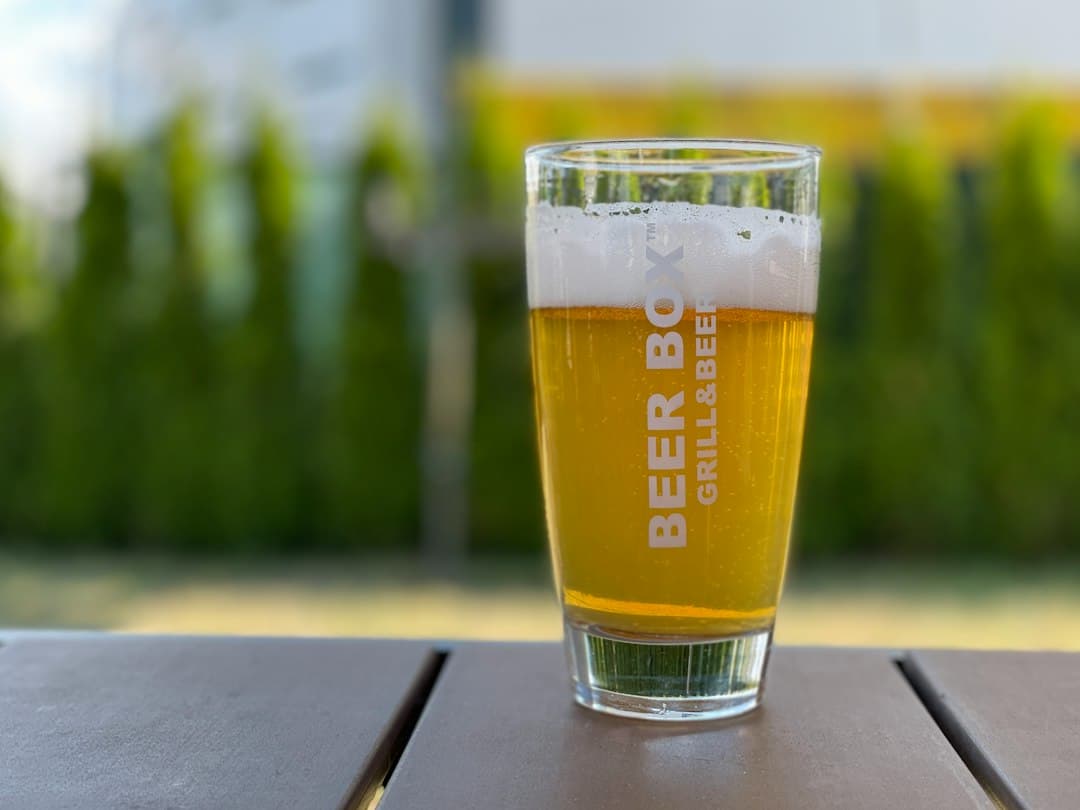
Brewing figures
- Original gravity
- 1.062
- Final gravity
- 1.011
West Coast IPA is the beer that put American craft brewing on the map: crystal clear, bone dry and properly bitter, with a big hit of pine, grapefruit and resin from a heap of classic American hops. Where a hazy IPA is soft and juicy, the West Coast version is crisp and snappy, finishing clean so the hops do all the talking. This recipe makes 20 litres of a 6.6% IPA that is bold without being heavy, and it is a great next step once you have a few pale ales under your belt.
Recipe at a Glance
Batch size: 20 litres into the fermenter
Original gravity (OG): 1.062
Final gravity (FG): 1.011
ABV: approx. 6.6%
Bitterness: approx. 62 IBU (Tinseth)
Colour: pale gold
Brewhouse efficiency assumed: 70%
Equipment Needed
Brew kettle of at least 30 litres (or an all-in-one electric brewing system)
Mash tun, or a large grain bag if you brew in a bag (BIAB)
Fermenting vessel of 25 litres or more, ideally one you can seal for dry hopping
Hydrometer and trial jar
Digital thermometer
Wort chiller
Hop spider or muslin bags (optional, but they keep the trub down)
No-rinse sanitiser
Bottles and caps, or a keg
Ingredients (20 Litres)
Grains
5.0 kg pale malt (a clean, low-colour pale or pilsner-style base works best)
250 g Carapils/dextrin malt (head retention)
150 g light crystal malt (about 30–40 EBC)
Hops
20 g Columbus/CTZ (about 15% alpha acid) – 60 minute boil
25 g Centennial – 10 minute boil
25 g Simcoe – 10 minute boil
40 g Citra – whirlpool at 80°C for 20 minutes
40 g Simcoe – whirlpool at 80°C for 20 minutes
100 g Citra, Simcoe and Centennial, mixed – dry hop
Yeast, Water and Extras
1 packet of a clean American ale yeast (such as US-05 or a liquid Chico strain), or 2 dry sachets for a quicker start
200 g dextrose added to the boil (dries the beer out)
Calcium sulphate (gypsum) to push your sulphate well above your chloride, which sharpens the bitterness
1 Irish moss (kettle finings) tablet
About 120 g dextrose for priming, if bottling
No Columbus? Any high-alpha bittering hop will do, just adjust the weight to land around 60 IBU. The late and dry hops are where the character comes from, so keep those as close to the recipe as you can.
Mashing
Treat your water: Add gypsum to the mash and sparge water. A West Coast IPA wants a firm, dry, slightly mineral finish rather than a soft, round one.
Mash in: Stir the grain into about 14 litres of water at roughly 71°C.
Rest low: Hold the mash at 64–65°C for 60–75 minutes. A cooler mash makes a more fermentable wort, which is the secret to that dry, moreish finish.
Sparge: Rinse the grain with water at 76–77°C to collect about 25 litres. BIAB brewers can mash with the full volume and lift the bag.
Boil and Whirlpool
Boil for 60 minutes, adding the Columbus at the start.
With 15 minutes to go, stir in the dextrose; with 10 minutes to go, add the Centennial, Simcoe and Irish moss.
At flameout, cool the wort to about 80°C, add the whirlpool hops and give it a gentle stir. Leave it to stand for 20 minutes.
Chill to 17–18°C as quickly as you can and transfer to a sanitised fermenter, leaving as much hop sludge behind as possible.
Fermentation and Dry Hopping
Pitch the yeast and ferment at 18–19°C. Keep it on the cool side: a clean fermentation lets the hops shine.
After 5–7 days, once the gravity has nearly reached 1.011, add the dry hops. Limit oxygen pick-up when you open the fermenter.
Leave the dry hops in for 3–4 days. Any longer and you risk grassy, vegetal flavours.
If you can, cold crash to 2–4°C for 48 hours. It drops the hops and yeast out and gives you that brilliantly clear pour.
Packaging
Bottle with priming sugar or keg at around 2.5 volumes of CO2. Unlike a bitter, an IPA does not improve with age: the hop aroma fades week by week, so drink it fresh and keep it cold. It is usually at its best two to four weeks after brew day.
Tips for a Better West Coast IPA
Go easy on the crystal malt. Too much makes the beer sweet and dulls the hops. The style should taste dry, not caramel-heavy.
Don't skip the sugar. A little dextrose lifts the ABV without adding body.
Protect it from oxygen. Oxygen is the enemy of hop aroma; transfer gently and fill bottles or kegs carefully.
Serve it right. Pour it into a clean, chilled tulip or pint glass at 6–8°C and enjoy the aroma.
Food Pairing
The bitterness and citrus cut straight through rich, spicy food. Try it with a lamb curry, buffalo wings, a strong mature Cheddar or a proper smash burger.