Winter Warmer: Rich, Malty 20-Litre Christmas Ale Homebrew Recipe
A strong, ruby-brown English winter warmer at about 6.2% ABV. Maris Otter, crystal malts and dark muscovado, Challenger and East Kent Goldings hops, and an optional gentle spice. Brew it now for Christmas.
Winter Warmer · 6.2% ABV · 28 IBU · 20 Litres · 10-14 days primary, then 4-6 weeks bottle conditioning · intermediate
Brewing figures
- Original gravity
- 1.063
- Final gravity
- 1.016
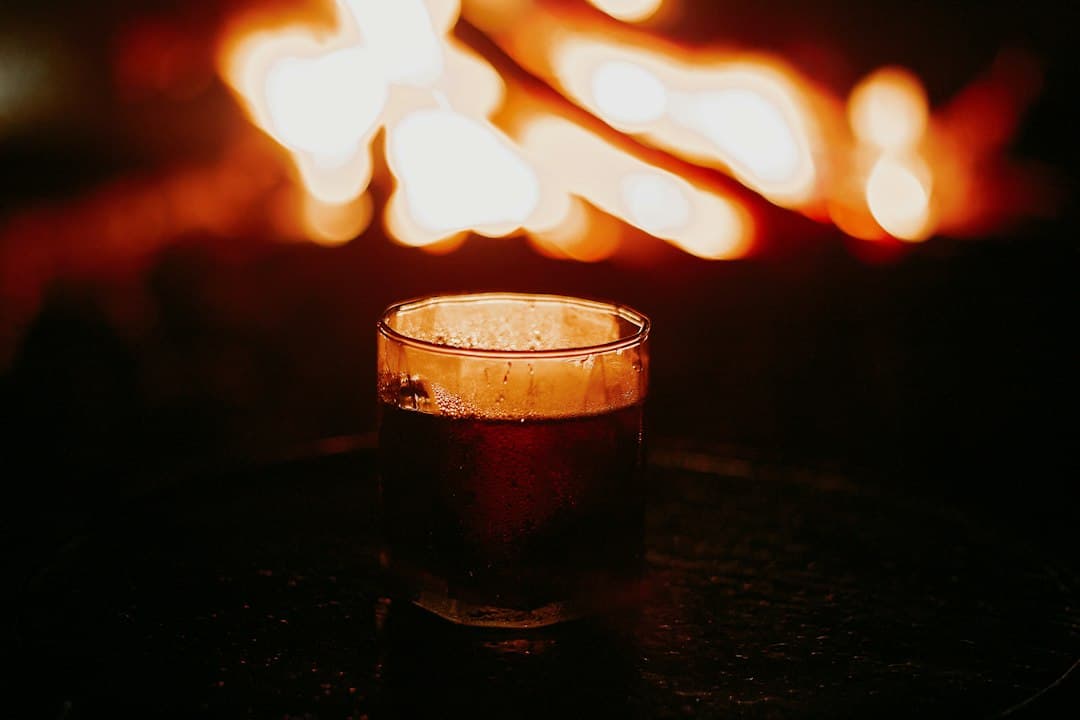
A winter warmer is the beer British brewers have turned to for generations once the nights draw in: a strong, ruby-to-chestnut ale with a rich, bready malt backbone, notes of toffee, dried fruit and a little dark sugar, and just enough hop bitterness to keep it from turning sweet. It sits between a strong bitter and an old ale, usually somewhere around 5.5–7% ABV, and it is the sort of pint that belongs next to an open fire. This recipe is a traditional English take with an optional, very gentle spice addition. Brew it in late October or early November and it will be properly conditioned in time for Christmas.
Recipe at a Glance
Batch size: 20 litres into the fermenter
Original gravity (OG): 1.063
Final gravity (FG): 1.016
ABV: approx. 6.2%
Bitterness: approx. 28 IBU (Tinseth)
Colour: deep amber to ruby-brown
Brewhouse efficiency assumed: 70%
Equipment Needed
Brew kettle of at least 30 litres (or an all-in-one electric system)
Mash tun, or a large grain bag for brew-in-a-bag (BIAB)
Fermenting vessel of at least 23 litres with an airlock
Hydrometer and trial jar
Digital thermometer
Wort chiller or an ice bath
No-rinse sanitiser
Bottles (about 40 x 500ml) and caps, or a keg
Ingredients (20 Litres)
Grains (all-grain)
4.6 kg Maris Otter pale malt
500 g Munich malt
350 g medium crystal malt (around 120–150 EBC)
200 g dark crystal malt (around 300 EBC)
50 g chocolate malt (for colour and a hint of cocoa; no more, or it starts to taste like a porter)
Sugar
200 g dark muscovado sugar, added to the boil. It lifts the strength without adding body and gives a subtle treacle and dried-fruit note.
Extract option
3.0 kg light dry malt extract in place of the Maris Otter and Munich
Steep the crystal and chocolate malts in about 3 litres of water at 65–70°C for 30 minutes, remove the grain, then top up and bring to the boil
Keep the muscovado sugar and everything else exactly the same
Hops
30 g Challenger (about 7% alpha acid) – 60 minute boil
20 g East Kent Goldings (about 5% alpha acid) – 15 minutes
20 g East Kent Goldings – at flameout
Yeast and Extras
1 pack of an English ale yeast: SafAle S-04 or LalBrew Windsor (dry), or Wyeast 1968 London ESB or WLP002 English Ale (liquid). For a strong beer like this, pitch two packs of dry yeast or make a starter for liquid yeast.
1 Protafloc or Irish moss tablet – 10 minutes before the end of the boil
Optional spice: 1 cinnamon stick, the zest of 1 orange (no white pith) and a small pinch of freshly grated nutmeg
Priming sugar if bottling (see Packaging)
Mashing
Heat your strike water: About 15 litres for a traditional mash (roughly 2.6 litres per kg of grain), aiming for 73–74°C so the mash settles at the right temperature. BIAB brewers can use the full volume, about 28 litres.
Mash in at 67°C: Stir the grain in thoroughly, breaking up any dough balls, and hold for 60 minutes. A slightly higher mash temperature leaves more body and malt sweetness, which is exactly what a winter warmer needs.
Mash out and sparge: Raise to 76°C if your system allows, then sparge with water at 76–78°C to collect about 25–26 litres of wort in the kettle.
The Boil
Bring the wort to a rolling boil and add the Challenger. Start a 60 minute timer.
At 15 minutes remaining, add the first East Kent Goldings and stir in the muscovado sugar off the heat so it doesn't catch on the bottom of the kettle, then return to the boil.
At 10 minutes remaining, add the Protafloc or Irish moss.
At flameout, add the final East Kent Goldings. If you are using the spice, add the cinnamon stick and orange zest now as well, and leave them in while you chill.
Chill the wort to about 18°C as quickly as you can and transfer to a sanitised fermenter, leaving the hops, spices and break material behind. Take a gravity reading: you are aiming for around 1.063.
Go easy on the spice. A winter warmer should taste of malt first, and spice should be something you notice on the second sip, not the first. If you are unsure, leave it out of the boil and make a small tincture instead: soak a cinnamon stick and some orange zest in 50ml of vodka for a few days, then add it a few millilitres at a time at packaging until it tastes right.
Fermentation
Pitch the yeast at 18°C and aerate the wort well first by shaking or splashing the fermenter. Stronger beers need plenty of oxygen and a healthy pitch.
Ferment at 18–19°C for the first 4–5 days. Keeping it cool stops the yeast producing harsh, hot-tasting alcohols, which are easy to make in a beer of this strength.
Let it rise to 20–21°C for the last few days so the yeast finishes cleanly and attenuates fully.
Check the gravity after 10–14 days. When it is stable at around 1.016 for three days running, fermentation is finished.
Packaging and Conditioning
Bottling: Aim for a gentle, English-style carbonation of about 2.0 volumes. Dissolve roughly 100–110 g of dextrose in a little boiled water for 20 litres, mix it gently into the beer and bottle.
Kegging: Carbonate to about 2.0 volumes, or serve slightly lower if you prefer a softer, cask-like pint.
Condition: Leave bottles at room temperature for two weeks to carbonate, then somewhere cool for at least another two to four weeks. Strong ales improve noticeably with time, and a winter warmer brewed now will taste rounder and smoother by Christmas than it does in November. Well-made bottles will keep improving for several months.
Tasting Notes and Tips
Expect a deep amber to ruby-brown beer with an off-white head, aromas of toffee, biscuit, raisin and a little earthy hop, and a full, warming body with a dry enough finish to make you want another. Serve it at cellar temperature, around 11–13°C, in a nonic pint or a tulip glass. Too cold and the malt flavours disappear.
Too sweet? Mash a degree or two lower next time, or drop the dark crystal to 150 g.
Too thin? Mash at 68°C and swap the muscovado for an extra 250 g of Maris Otter.
Hot, solvent-like flavours? The fermentation was too warm early on. Keep the first few days at 18°C.
Want it stronger? Add another 500 g of Maris Otter for an OG of around 1.070 and roughly 7% ABV, and give it an extra month in the bottle.
Winter Warmer, Old Ale and Christmas Beer
The names overlap, and British breweries use them loosely. A winter warmer is generally a malty, moderately strong seasonal ale, sometimes lightly spiced. An old ale is usually stronger and darker, traditionally aged for months and sometimes with a little vinous, sherry-like character. Christmas beers can be anything from a spiced amber ale to a big Belgian-style dark ale. This recipe sits squarely in the winter warmer camp: easy enough to drink a pint of, strong enough to feel seasonal.
Food Pairing
Winter warmers are made for hearty food. Try one with a beef and ale pie, a slow-cooked casserole, roast pork with crackling, sausages and mash with onion gravy, or a slab of mature Cheddar or Stilton with oatcakes. It also works surprisingly well with Christmas pudding, mince pies and a sticky toffee pudding, where the dried-fruit and toffee notes in the beer match the dessert.