Pumpkin Ale: Spiced, Malty 20-Litre Homebrew Recipe
A rich amber pumpkin ale at about 5.8% ABV, with roasted pumpkin in the mash, Maris Otter and biscuit malt, gentle English hops and a restrained hit of cinnamon, ginger and nutmeg.
Pumpkin Ale · 5.8% ABV · 22 IBU · 20 Litres · 7-10 days primary, then 3-4 weeks bottle conditioning · intermediate
Brewing figures
- Original gravity
- 1.057
- Final gravity
- 1.013
Pumpkin ale is the beer of late October: a rich, amber ale with a gentle backbone of roasted pumpkin and a warm hit of cinnamon, ginger and nutmeg, like a slice of pumpkin pie in a glass. The style is an American tradition, but it suits British homebrewers well, because underneath the spice it is really just a well-made malty amber ale. The secret is restraint. Pumpkin itself adds more colour, body and a soft earthiness than obvious flavour, so the spices do the talking, and they need to stay in the background rather than tasting like a candle shop. This recipe keeps the bitterness low, roasts the pumpkin before it goes in the mash and adds the spices late, so you stay in control.
Recipe at a Glance
Batch size: 20 litres into the fermenter
Original gravity (OG): 1.057
Final gravity (FG): 1.013
ABV: approx. 5.8%
Bitterness: approx. 22 IBU (Tinseth)
Colour: deep amber to light copper
Brewhouse efficiency assumed: 70%
Equipment Needed
Brew kettle of at least 30 litres (or an all-in-one electric system)
Mash tun, or a large grain bag for brew-in-a-bag (BIAB)
Roasting tin and oven for the pumpkin
Fermenting vessel of at least 23 litres with an airlock
Hydrometer and trial jar
Digital thermometer
Wort chiller or an ice bath
No-rinse sanitiser
Bottles (about 40 x 500ml) and caps, or a keg or pressure barrel
Ingredients (20 Litres)
Grains (all-grain)
4.6 kg Maris Otter pale ale malt
450 g Munich malt (for a bready, toasty depth)
250 g medium crystal malt (around 120–150 EBC)
150 g biscuit malt (for a pie-crust note)
250 g rice hulls (they add nothing to flavour but stop the pumpkin gumming up the mash)
The Pumpkin
About 1.5 kg peeled, deseeded pumpkin or butternut squash, cut into chunks, or two 425 g tins of pure pumpkin purée (not pie filling, which already contains sugar and spice)
Roast fresh chunks at 200°C for 45–60 minutes until soft and caramelised at the edges. For tinned purée, spread it on a lined tray and bake at 180°C for about 30 minutes to concentrate it
Extract option
3.0 kg light dry malt extract in place of the Maris Otter and Munich
Do a small mini-mash instead of the full mash: hold the crystal malt, biscuit malt, 500 g of pale malt and the roasted pumpkin in about 6 litres of water at 66–68°C for 45 minutes in a grain bag, then lift the bag out, let it drain, and top up the kettle
Add half the extract at the start of the boil and the rest with 15 minutes to go
Hops
30 g East Kent Goldings (about 5.5% alpha acid) – 60 minute boil
15 g Fuggle (about 4.5% alpha acid) – 15 minutes
No aroma or dry hops: they would clash with the spice
Spices
1 tsp ground cinnamon (or one cinnamon stick, broken up)
½ tsp ground ginger
¼ tsp freshly grated nutmeg
¼ tsp ground allspice
Optional: 2 cloves. Use a light hand; clove takes over very quickly
Yeast and Extras
1 pack of a clean ale yeast: SafAle S-04 or Lallemand Nottingham for a slightly fruity English take, or SafAle US-05 for a cleaner American one
1 Protafloc or Irish moss tablet – 10 minutes before the end of the boil
About 110 g dextrose for bottle priming
Mashing
Heat about 17 litres of strike water to around 73°C.
Mix the crushed grain, rice hulls and roasted pumpkin together and add them to the water, stirring well to break up any lumps.
Hold the mash at 67°C for 60 minutes. This slightly higher temperature leaves a little more body to carry the spice.
Sparge or lift the bag and rinse with water at about 76°C to collect around 25 litres of wort. Expect the run-off to be slower than usual; that is the pumpkin, and the rice hulls help a lot.
Check the pre-boil gravity. It should be around 1.047.
The Boil
Bring the wort to a rolling boil and add the East Kent Goldings. Start a 60 minute timer.
With 15 minutes left, add the Fuggle and the Protafloc tablet.
With 5 minutes left, add about two-thirds of the spice mix. Keep the rest back; you can add it later if the beer needs it.
At flameout, chill the wort to 18–19°C as quickly as you can.
Transfer to the sanitised fermenter, leaving as much pumpkin and hop sludge behind as possible. Take your original gravity reading.
Fermentation
Pitch the yeast at around 18°C and hold 18–20°C for the first five days.
Let it rise to about 21°C towards the end to help the yeast finish cleanly.
Fermentation is usually done in 7–10 days. Wait until you get the same gravity reading (around 1.013) two days running.
Taste a sample before packaging. If the spice is too faint, make a quick tincture: soak the remaining spice in 50ml of vodka for a day or two, strain it through a coffee filter and add it a few millilitres at a time to a measured glass of beer until it tastes right, then scale up for the whole batch.
Packaging
Bottling: dissolve about 110 g of dextrose in a little boiled water, add it to your bottling bucket and siphon the beer on top. Fill, cap and keep the bottles at room temperature for two weeks, then move them somewhere cool.
Kegging: carbonate to about 2.2–2.4 volumes of CO₂.
Give it three to four weeks in the bottle if you can. The spice softens and blends with the malt over time.
Tasting Notes and Tips
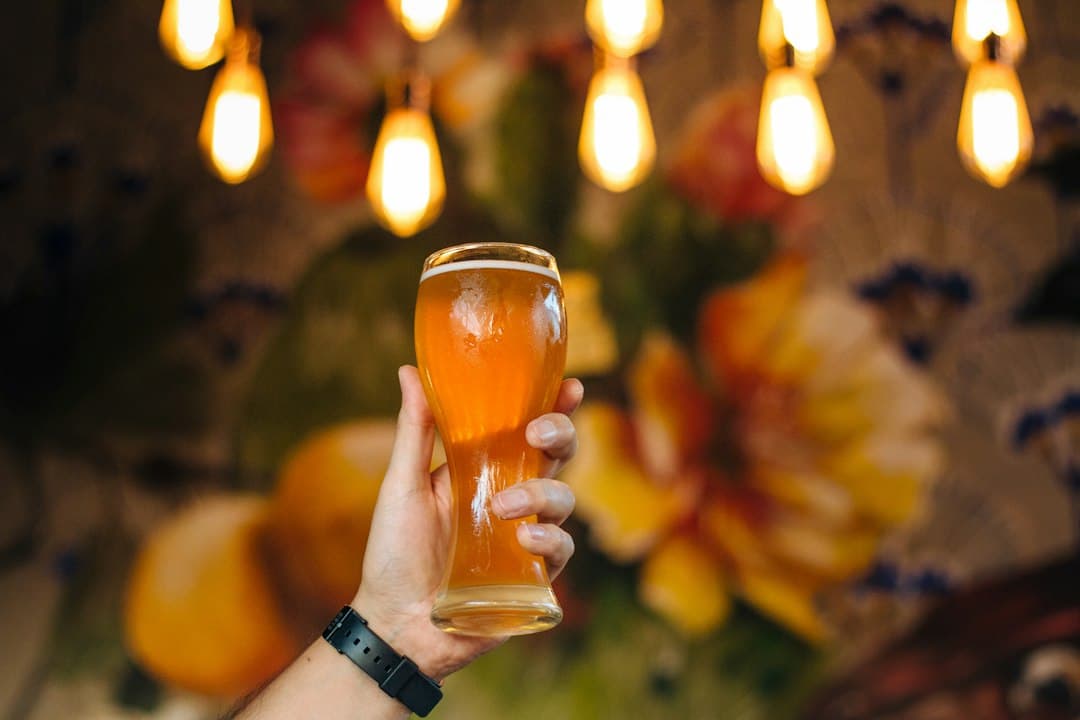
What to expect: deep amber with a creamy off-white head, toffee and biscuit malt, a soft earthy roundness from the pumpkin, and warm spice in the finish rather than up front.
Less is more with spice: you can always add more at packaging, but you cannot take it out. Many brewers who dislike pumpkin beers are really reacting to too much clove and nutmeg.
Squash works too: butternut squash roasts sweeter and is easier to peel than most carving pumpkins. Avoid Halloween carving pumpkins if you can; they are watery and bland.
Rim the glass: for a party, wet the rim and dip it in a little demerara sugar mixed with cinnamon. Gimmicky, but people love it.
Brew early: to drink it at Halloween, brew by the middle of September; for Bonfire Night or Christmas, early October is fine.
Pumpkin Ale vs Winter Warmer
The two sit close together on the shelf, but they are different beers. A pumpkin ale is a mid-strength amber ale built around vegetable and baking spice, and it is at its best in autumn. A traditional British winter warmer is stronger, darker and leans on rich malt and dark sugars, with spice optional. If you enjoy this recipe and want something bigger for December, try our winter warmer homebrew recipe.
Food Pairing
Pumpkin ale is made for autumn food: roast pork or pork belly with apple, sausages and mash, butternut squash risotto, a sharp mature Cheddar and, of course, pumpkin pie or a ginger-heavy crumble for pudding. The caramel malt picks up sweetness on the plate and the spice echoes anything with cinnamon or nutmeg in it.