What Is an IPA? A Beginner's Guide to India Pale Ale
IPA stands for India Pale Ale, but what actually makes a beer an IPA? Here's where the style came from, what it tastes like, the main types from West Coast to hazy, and how to get the best out of every can.
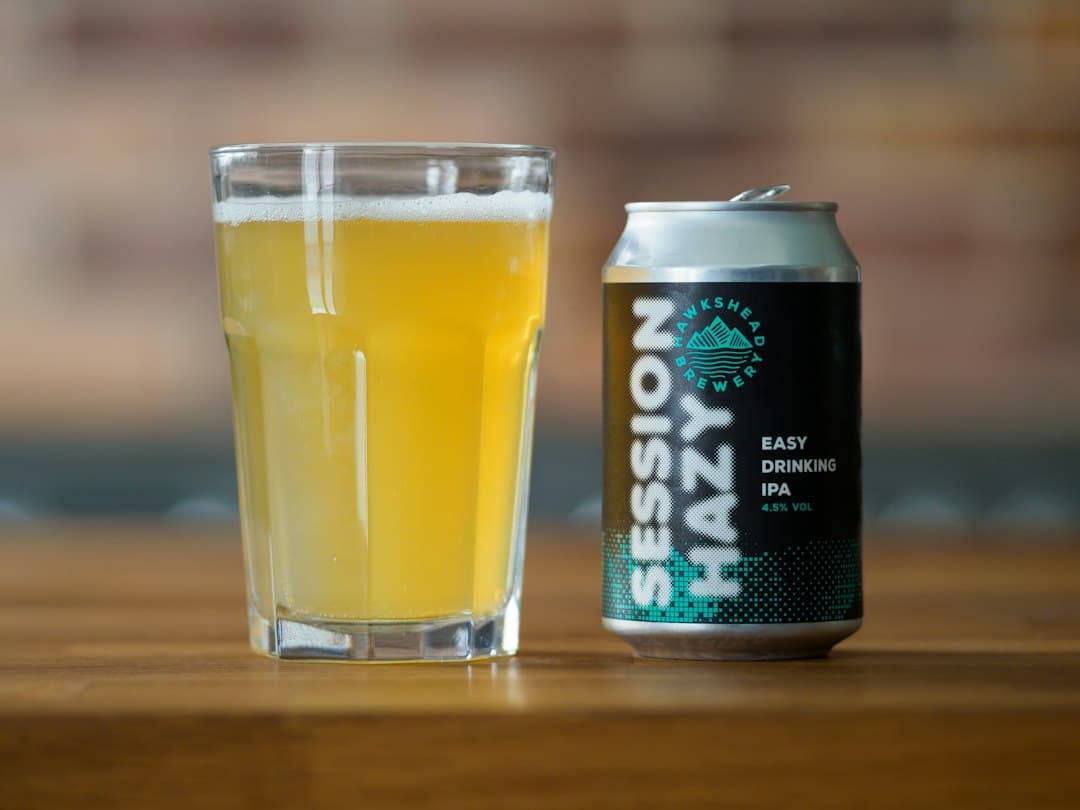
IPA is everywhere. It fills fridges in supermarkets, takes over half the taps in craft beer bars and turns up in more styles than most drinkers can keep track of: hazy, West Coast, session, double, black. Yet ask what the letters actually stand for, or what makes one IPA so different from the next, and plenty of people aren't sure. Here is a straightforward guide to the style: where it came from, what it tastes like and how to find one you will enjoy.
What Does IPA Stand For?
IPA stands for India Pale Ale. At its simplest, it is a pale ale brewed with more hops, and usually a little more strength, than an ordinary bitter or pale ale. Hops give beer its bitterness and much of its aroma, so an IPA tends to taste more bitter, more aromatic and more fruity, piney or citrusy than a standard pint.
Where Did IPA Come From?
The story starts in Georgian and Victorian Britain. Pale, well-hopped ales were shipped to British officials, soldiers and merchants in India, and they proved popular there. Hops act as a natural preservative, so heavily hopped beer travelled better than many alternatives. George Hodgson's Bow Brewery in east London is often credited as an early supplier, and later the brewers of Burton upon Trent, such as Allsopp and Bass, came to dominate the trade. Burton's hard, mineral-rich water suited pale, bitter beers particularly well.
You will often hear that IPA was invented specially to survive the voyage to India. Beer historians have largely debunked that neat version: strong, hoppy pale ales were already being brewed for keeping at home, and they happened to suit the long journey. The name India Pale Ale appeared later, as the beers became popular back in Britain.
How Did It Become a Craft Beer Icon?
Through much of the 20th century, IPA in Britain drifted into a fairly gentle, modest-strength bitter. The big revival came from the United States, where craft brewers from the 1970s and 80s onwards began using bold American hops such as Cascade, Centennial and Simcoe, with their grapefruit, pine and tropical fruit flavours. That American take on IPA became the flagship style of the craft beer movement and eventually crossed back over the Atlantic, which is why so many British breweries now make several.
What Does IPA Taste Like?
Bitterness: noticeably more than a lager or a bitter, though modern hazy IPAs can be surprisingly soft.
Aroma: the big one. Depending on the hops, expect citrus, grapefruit, pine, resin, mango, passion fruit, stone fruit or, in English versions, earthy, floral and marmalade notes.
Malt: usually a light, biscuity or bready backbone that stays in the background.
Strength: most sit somewhere between about 5% and 7.5% ABV, with lower and much higher outliers.
The Main Types of IPA
English IPA: the original. Earthy, floral, sometimes marmalade-like British hops such as Fuggle and East Kent Goldings, with a firmer malt base. Usually amber-gold and more restrained than American versions.
West Coast IPA: the American classic. Clear, crisp and dry, with assertive bitterness and pine and grapefruit hops. You can brew your own with our West Coast IPA recipe.
New England IPA (NEIPA) or Hazy IPA: cloudy, soft and juicy, with low bitterness and huge tropical fruit aroma, thanks to oats, wheat and heavy late hopping. Our hazy pale ale recipe is a gentler starting point.
Double or Imperial IPA (DIPA): a stronger, more intense IPA, typically somewhere around 7.5% to 10% ABV. Sip, don't session.
Session IPA: big hop aroma at a lower strength, usually under 5%. See our guide to session beers for more on drinking lighter.
Black IPA: an IPA brewed with a little dark malt for colour and a hint of roast, while staying hoppy rather than stout-like.
IPA vs Pale Ale: What's the Difference?
There is no hard line. In general, an IPA is a stronger, hoppier version of a pale ale, with more bitterness and aroma. A pale ale tends to be lighter, more balanced and easier to drink across an evening. Brewery labels aren't always consistent, though, so the ABV and the description on the can are your best guide.
How to Get the Best Out of an IPA
Drink it fresh. Hop aroma fades within weeks to a few months. Check the canning or best-before date and choose the freshest you can find, especially for hazy IPAs.
Keep it cold. Store IPAs in the fridge rather than a warm cupboard; heat speeds up staling.
Don't serve it ice-cold. Around 7–10°C lets the aroma come through.
Use a glass. Pour into a tulip, teku or even a wine glass to concentrate the aroma. Drinking from the can hides most of it.
Start small. If you are new to the style, try a session IPA or a hazy IPA before a bitter West Coast or a double.
Food Pairings
IPA is a great partner for bold flavours. Its bitterness cuts through rich, fatty food and its fruity hops stand up to spice. Try it with a curry, spicy wings, fish tacos, a burger with mature Cheddar or a plate of fish and chips. Strong, aged cheeses such as mature Cheddar or blue cheese work well too, while delicate dishes like plain white fish can be overwhelmed by a big West Coast IPA.
So Is IPA for You?
If you like bold, aromatic beer, almost certainly. And if the first IPA you tried was too bitter, it is worth another go, because the style now covers everything from soft, juicy hazies to crisp, piney West Coast pints. Find the hops and the strength you like, buy it fresh, and IPA will make a lot more sense.