Belgian Tripel: Golden, Spicy 20-Litre Abbey Ale Homebrew Recipe
A classic Westmalle-style Belgian tripel at about 9.4% ABV: an all-Pilsner malt grist, white sugar, Styrian Golding and Saaz hops and a Trappist-style yeast, fermented cool and then warm.
Belgian Tripel · 9.4% ABV · 27 IBU · 20 Litres · 2-3 weeks, starting at 18°C and rising to 24-26°C, then 6+ weeks conditioning · advanced
Brewing figures
- Original gravity
- 1.080
- Final gravity
- 1.008
The Belgian tripel is one of the great tricks of brewing: a pale golden beer of around 9% that tastes light, dry and almost delicate. Behind the honeyed malt there is pepper, clove, pear and a hint of orange from the yeast, a firm but gentle bitterness and a crisp, sparkling finish. Westmalle brewed the beer that defined the style in the 1930s, and it is still the benchmark that other Trappist and abbey breweries are measured against. The recipe is almost shockingly simple: Pilsner malt, plain white sugar, a few noble hops and a characterful Belgian yeast. The skill is all in the process, especially in controlling fermentation, so it is a good next step once you have brewed a few beers and want a real challenge.
Recipe at a Glance
Batch size: 20 litres into the fermenter
Original gravity (OG): 1.080
Final gravity (FG): 1.008
ABV: approx. 9.4%
Bitterness: approx. 27 IBU (Tinseth)
Colour: pale gold
Brewhouse efficiency assumed: 70%
Equipment Needed
Brew kettle of at least 30 litres (or an all-in-one electric system)
Mash tun, or a large grain bag for brew-in-a-bag (BIAB)
Fermenting vessel of at least 25 litres with an airlock or blow-off tube (a tripel ferments vigorously, so leave plenty of headspace)
Hydrometer and trial jar
Digital thermometer
Wort chiller or an ice bath
A way to keep the fermenter warm later in fermentation, such as a heat belt or a warm room
No-rinse sanitiser
Heavy, thick-walled bottles (Belgian-style 330ml or 750ml bottles are ideal) and caps or corks, or a keg
Ingredients (20 Litres)
Grains (all-grain)
5.8 kg Pilsner malt (Belgian if you can find it)
That is the whole grain bill. A tripel should be pale and clean, so leave out crystal and Munich malts
Sugar
1.0 kg dextrose (brewing sugar), white table sugar or clear Belgian candi sugar, added in the last 10 minutes of the boil
The sugar makes up around 18% of the fermentables. It adds strength without adding body, which is what keeps a 9% beer tasting dry and light
Extract option
3.8 kg extra light dry malt extract in place of the Pilsner malt
Dissolve half the extract at the start of the boil and add the rest, along with the sugar, for the last 15 minutes, which helps keep the colour pale
Hops
50 g Styrian Golding (around 4–5% alpha acid) at 60 minutes
25 g Saaz at 15 minutes
25 g Saaz at flame-out
Stick to noble or noble-style hops. You want a gentle, spicy, floral note that supports the yeast rather than competes with it
Yeast and Extras
A Belgian abbey or Trappist-style yeast: WLP530 Abbey Ale, Wyeast 3787 Trappist High Gravity, WLP500 Monastery Ale, SafAle BE-256 or LalBrew Abbaye
Pitch plenty: make a large starter for liquid yeast, or use two to three sachets of dry yeast. Under-pitching at this gravity is the most common cause of a harsh, solventy tripel
Half a Protofloc or Whirlfloc tablet at 15 minutes
Yeast nutrient at 10 minutes
Priming sugar if bottling: see Packaging below
Mashing
Heat about 19 litres of strike water to around 70°C (or follow your system’s calculator).
Mash in and hold at 64°C for 90 minutes. A low, long mash gives a very fermentable wort, which is essential for the dry finish a tripel needs.
Raise to 76°C for 10 minutes to mash out, if your system allows.
Sparge with water at 76–78°C to collect around 27 litres of wort in the kettle.
The Boil
Bring the wort to a rolling boil and boil for 90 minutes. Pilsner malt benefits from a longer boil to drive off DMS, which can taste like sweetcorn.
Add the Styrian Golding with 60 minutes left.
Add 25 g of Saaz and the Protofloc tablet with 15 minutes left.
With 10 minutes left, turn the heat off briefly and stir in the sugar until it has completely dissolved, then bring it back to the boil. Add the yeast nutrient now.
At flame-out, add the final 25 g of Saaz, then chill the wort as quickly as you can to about 18°C and transfer it to a sanitised fermenter. Aerate well, ideally with pure oxygen or a long, vigorous shake: high-gravity yeast needs plenty of oxygen to get going.
Fermentation
Pitch the yeast at 18°C and keep it there for the first two to three days, when fermentation is at its most active and produces most of its flavour. Starting cool keeps hot, fusel alcohol flavours under control.
From around day three, let the temperature rise slowly to 24–26°C. This free rise brings out the yeast’s pepper and fruit, and helps it ferment all the way down.
Hold it warm until the gravity reads around 1.008 on three days in a row. Expect two to three weeks in total. A tripel that finishes at 1.015 or higher will taste sweet and heavy, so be patient and give the fermenter a gentle swirl if it slows down.
Cool the fermenter for a few days, and up to a couple of weeks if you can, to help the yeast settle and the beer clear.
Packaging and Conditioning
Tripels are highly carbonated, at around 3.0 volumes of CO₂, which gives them their big, mousse-like head and lively mouthfeel. For 20 litres that is roughly 160 g of dextrose, but check the exact figure for your beer’s temperature with our homebrew calculator. At this pressure, thick, Belgian-style bottles are a must, and thin single-use bottles should not be used. Because the yeast has worked hard to reach 9%, adding a little fresh dry yeast (such as a few grams of a neutral wine or ale yeast) at bottling helps the beer carbonate reliably. Leave the bottles at around 20°C for three weeks, then store them cool. A tripel is drinkable after six weeks and at its best after three to six months.
Tasting Notes and Tips
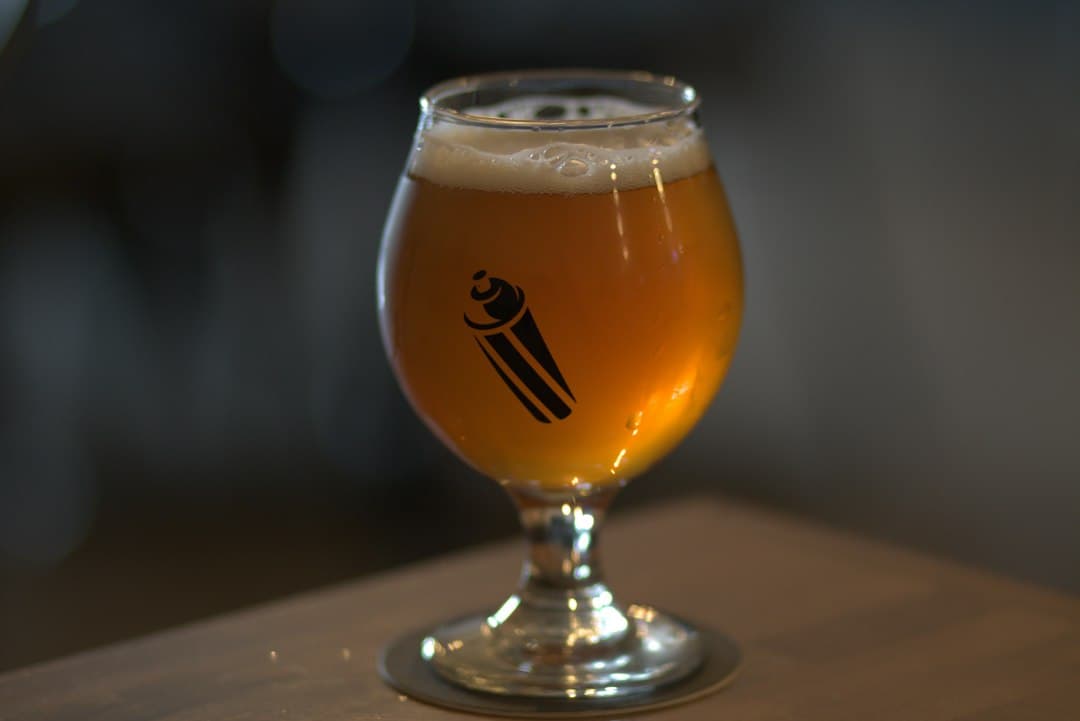
What to expect: a bright, pale gold beer with a tall, dense white head, an aroma of pear, orange peel, pepper and a little clove, a soft, honeyed malt middle, and a dry, bitter, warming finish that keeps you coming back for another sip.
Keep it pale: resist the urge to add crystal malt or dark sugar. If you want more colour and dried-fruit flavour, you are heading towards our Belgian dubbel instead.
Pitch big, start cool: almost every problem with home-brewed tripel, from banana-heavy flavours to a nail-varnish edge, comes from too little yeast or too much heat in the first couple of days.
Go dry: the low mash temperature and the sugar are there to make the beer finish dry. A dry tripel tastes lighter, cleaner and, oddly, less alcoholic than a sweet one.
Give it time: a young tripel can taste a little hot. A couple of months in a cool cupboard rounds it off beautifully.
Tripel vs Belgian Golden Strong Ale vs Witbier
These three pale Belgian beers are easy to confuse. A witbier is a cloudy wheat beer of around 5%, spiced with orange peel and coriander. A Belgian golden strong ale, the style made famous by Duvel, is similar in strength to a tripel but even paler, drier and hoppier, with more fruity, pear-like yeast character. A tripel sits in between: a little more malt, a little more spice from the yeast and a softer, rounder body.
Food Pairing
A tripel’s carbonation and bitterness make it a brilliant beer for food. Try it with mussels and chips, roast chicken or pork belly, creamy pasta, Thai green curry or spicy noodle dishes, and soft, rich cheeses such as brie. At over 9%, it is a beer for sipping, not a session: serve it in a goblet or tulip glass at around 8–10°C, have some water alongside, and share a 750ml bottle rather than tackling one on your own.