Scotch Ale / Wee Heavy: Rich, Malty 20-Litre Homebrew Recipe
A traditional Scottish wee heavy at about 8.0% ABV: a malt-forward strong ale with caramel, toffee and dried-fruit notes, low hop bitterness and a warming finish. 20-litre all-grain recipe with extract option.
Scotch Ale / Wee Heavy · 8.0% ABV · 22 IBU · 20 Litres · 10-14 days at 16-18°C, then 2-3 months conditioning · intermediate
Brewing figures
- Original gravity
- 1.078
- Final gravity
- 1.018
Scotch ale, often labelled wee heavy when it is at the stronger end, is one of the great malt-driven beers of the British Isles. Forget hop bombs and citrus: this is a deep amber to mahogany beer that smells of caramel, toffee, dried fruit and a hint of peat or earthy malt, with a soft, full body and only a whisper of bitterness. The name “wee heavy” comes from the old Scottish shilling system, where stronger beers were more expensive; a 90/- or 120/- ale was a “heavy”, and a small glass of that strong stuff was a wee heavy. This recipe aims for about 8% ABV: rich enough to sip by the fire, but not so strong that you need a week of conditioning before it is drinkable.
Recipe at a Glance
Batch size: 20 litres into the fermenter
Original gravity (OG): 1.078
Final gravity (FG): 1.018
ABV: approx. 8.0%
Bitterness: approx. 22 IBU (Tinseth)
Colour: deep amber to copper-mahogany
Brewhouse efficiency assumed: 70%
Equipment Needed
Brew kettle of at least 30 litres (or an all-in-one electric system)
Mash tun, or a large grain bag for brew-in-a-bag (BIAB)
Fermenting vessel of at least 25 litres with an airlock
Hydrometer and trial jar
Digital thermometer
Wort chiller or an ice bath
No-rinse sanitiser
Bottles and caps, or a keg
Ingredients (20 Litres)
Grains (all-grain)
5.5 kg Maris Otter pale malt (or another good British pale ale malt)
400 g crystal malt 60–80L (medium crystal)
200 g Munich malt
100 g roasted barley (for colour and a dry, coffee-edge finish — keep this small)
Optional: 50 g peated malt if you want a gentle smoky whisper; leave it out for a cleaner, caramel-led beer
Extract option
4.0 kg light dry malt extract in place of the Maris Otter and Munich
Steep the crystal and roasted barley in a grain bag at around 70°C for 20 minutes, then remove before the boil
Hops
30 g East Kent Goldings (around 5% alpha acid) at 60 minutes
15 g East Kent Goldings at 15 minutes
That is all. Scotch ale is about malt, not hops: keep bitterness low and skip aroma-heavy late additions
Yeast and Extras
A clean Scottish or British ale yeast: Wyeast 1728 Scottish Ale, White Labs WLP028 Edinburgh Ale, SafAle S-04 or Nottingham
Pitch a healthy starter or two sachets of dry yeast; this is a high-gravity wort
Half a Protofloc or Whirlfloc tablet at 15 minutes
Yeast nutrient at 10 minutes
Priming sugar if bottling: see Packaging below
Mashing
Heat about 18 litres of strike water to around 73°C (or follow your system’s calculator).
Mash in and hold at 68°C for 60 minutes. A slightly higher mash temperature leaves more unfermentable sugars, which gives the full, chewy body a wee heavy needs.
Raise to 76°C for 10 minutes to mash out, if your system allows.
Sparge with water at 76–78°C to collect around 26–27 litres of wort in the kettle.
The Boil
Bring the wort to a rolling boil and boil for 90 minutes. The longer boil helps deepen the caramel colour and flavour through gentle Maillard reactions; some traditional Scottish brewers boiled for even longer.
Add 30 g of East Kent Goldings with 60 minutes left.
Add 15 g of East Kent Goldings and the Protofloc tablet with 15 minutes left. Add the yeast nutrient with 10 minutes left.
At flame-out, chill the wort as quickly as you can to about 16–18°C and transfer it to a sanitised fermenter. Aerate well before pitching.
Fermentation
Pitch the yeast at 16–17°C and hold it there for the first few days. Scottish ale yeast likes cool fermentation; warmer temperatures throw more fruity esters that can fight the malt.
After three or four days, let it rise gently to around 18°C to help the yeast finish cleanly.
Expect 10–14 days in primary. The beer should finish around 1.018. A wee heavy that finishes much lower will taste thin; one that sticks above 1.022 may taste too sweet, so give it time and a gentle swirl if it stalls.
Cold-condition for a few days if you can, then package.
Packaging and Conditioning
Scotch ale is usually carbonated more gently than a pale lager or a Belgian strong ale: aim for about 2.0–2.2 volumes of CO₂. For 20 litres that is roughly 90–100 g of dextrose; check the exact figure for your beer’s temperature with our homebrew calculator. Bottle or keg as usual, leave at around 18–20°C for two weeks, then store cool. A wee heavy is pleasant after a month and really opens up after two to three months, as the caramel and dried-fruit notes knit together.
Tasting Notes and Tips
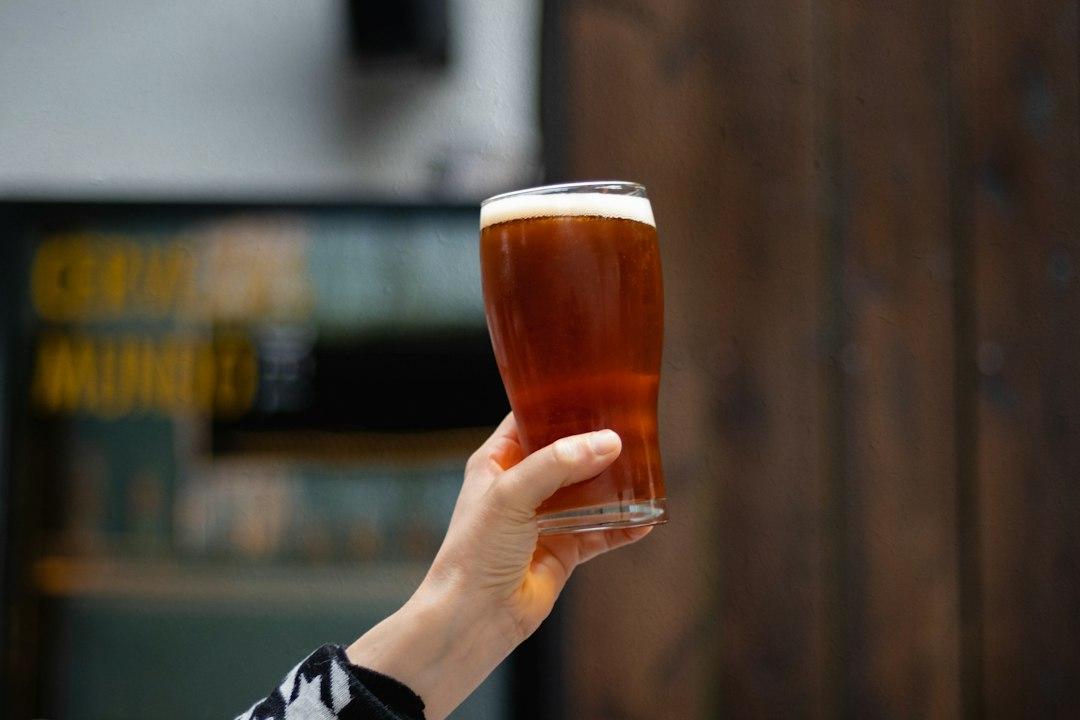
What to expect: a deep amber to mahogany beer with a creamy tan head, aromas of caramel, toffee, toast and dried fruit, a full, soft malt middle, and a warming, lightly bitter finish.
Keep the roast restrained: roasted barley is there for colour and a dry edge, not for stout-like roast. Too much and you will drift towards our oatmeal stout.
Mash high, ferment cool: body and clean malt are the hallmarks. A low mash or a warm fermentation will leave you with a thinner, fruitier beer.
Patience pays: young Scotch ale can taste a little hot or one-dimensional. A couple of months in a cool cupboard rounds it off beautifully.
Scotch Ale vs Barley Wine vs Winter Warmer
These three strong, malty beers sit close together. A barley wine is usually hoppier and often stronger, with more dried-fruit and vinous character. A winter warmer is typically a touch lighter, sometimes lightly spiced, and built for the festive season. Scotch ale / wee heavy sits in the middle: malt-forward, relatively low in hops, and defined by caramel and toffee rather than hop resin or spice.
Food Pairing
Serve a wee heavy in a snifter or thistle glass at around 10–13°C. It loves rich, savoury food: steak and ale pie, roast lamb, haggis, mature cheddar or blue cheese, sticky toffee pudding and dark chocolate. At around 8%, it is a sipping beer — have some water alongside, and share a bottle rather than racing through it.