Perfect Yorkshire Puddings
Tall, crisp, golden Yorkshire puddings every time with a simple equal-volume batter, plus tips on why they sink and how to make them ahead and freeze.
side · Makes 12 small or 4 large
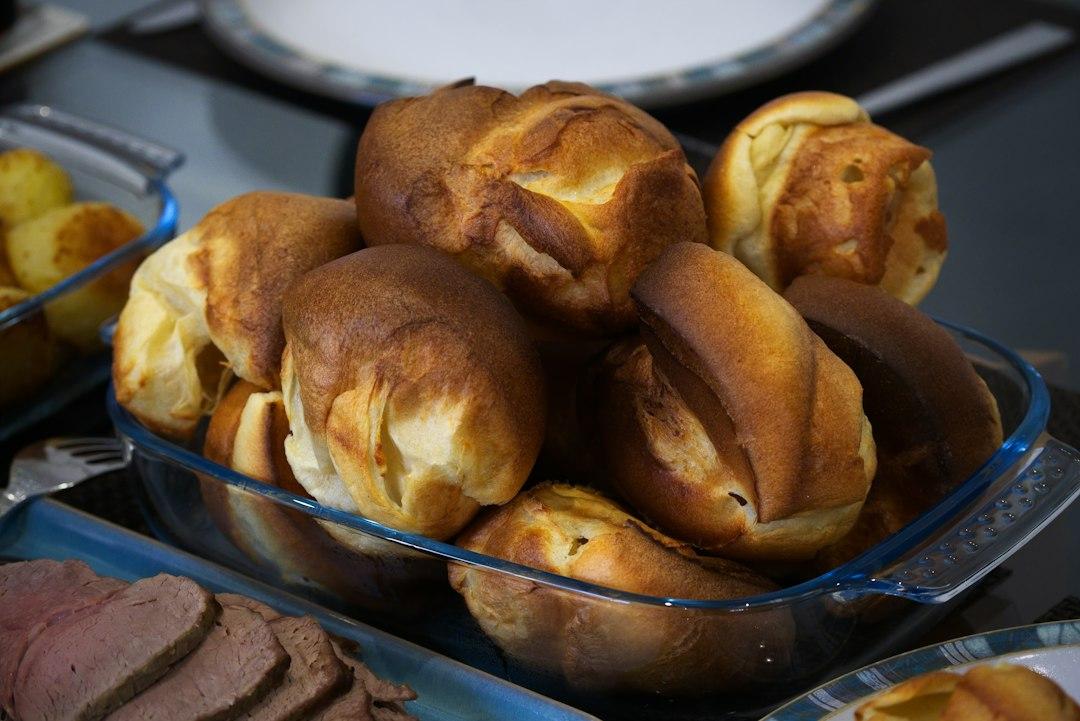
Nothing divides a Sunday roast table quite like the Yorkshire pudding. Some people say they belong only with roast beef, others pile them on every roast going, and at Christmas plenty of families insist on them alongside the turkey. Whichever camp you are in, there is no excuse for flat, stodgy puds. With a simple equal-volume batter, properly hot fat and an oven door you leave well alone, you can make tall, crisp, golden Yorkshires every time.
Ingredients (Makes 12 in a muffin tin, or 4 large)
3 large eggs (about 175 ml once cracked into a measuring jug)
175 ml plain flour (measured by volume, the same level as the eggs, about 100 g)
175 ml whole milk (again, the same volume as the eggs)
A good pinch of salt
About 6 tbsp beef dripping, lard or a high smoke point oil such as sunflower or rapeseed
Method
Make the batter: crack the eggs into a measuring jug and note the level. Tip them into a mixing bowl, then measure the same volume of flour and the same volume of milk. Whisk the eggs and flour together until smooth, then gradually whisk in the milk and salt until you have a batter about as thick as single cream.
Rest it: cover and leave the batter to rest for at least 30 minutes at room temperature, or up to a day in the fridge. Give it a quick whisk before using, and let fridge-cold batter sit out for 20 minutes or so.
Heat the fat: heat the oven to 230°C (210°C fan, gas 8). Put about ½ tsp of dripping or oil into each hole of a 12-hole muffin tin (or 1½ tbsp into each hole of a 4-hole Yorkshire pudding tin) and put it in the oven for 10–15 minutes, until the fat is smoking hot.
Fill quickly: working fast and carefully, take the tin out, close the oven door to keep the heat in, and pour the batter into the hot fat so each hole is about a third to half full. It should sizzle as it goes in.
Bake: return the tin to the oven straight away and bake for 20–25 minutes (25–30 for large ones) until well risen, deep golden and crisp. Do not open the oven door for at least the first 20 minutes, or they may sink.
Serve: serve straight away, with plenty of gravy.
Tips for Tall, Crisp Yorkshires
Equal volumes, not weights: using the same volume of eggs, flour and milk is the easiest way to get the ratio right, whatever size your eggs are.
Smoking-hot fat is everything: if the fat is not hot enough, the batter just sits there and goes heavy. Heat the tin in the oven, not on the hob, and fill it quickly.
Keep the door shut: the puddings rise thanks to steam. Opening the oven lets the heat escape and they can collapse.
Rest the batter: resting lets the flour absorb the liquid and many cooks swear it gives a better rise. Even 30 minutes helps.
A splash of water: swapping a little of the milk for water can make them slightly crisper and lighter.
Use a metal tin: a heavy metal muffin or Yorkshire pudding tin holds the heat better than silicone.
Why Have My Yorkshire Puddings Not Risen?
The fat was not hot enough when the batter went in.
The oven door was opened too early.
The batter had too much flour, making it thick and heavy.
The oven was not hot enough. Most ovens need to be at least 220°C for a good rise.
Make Ahead and Freeze
Yorkshire puddings freeze brilliantly, which takes the pressure off on Christmas Day. Bake as above, cool completely, then freeze in a bag or box for up to three months. Reheat from frozen on a baking tray at 200°C (180°C fan, gas 6) for 5–8 minutes until hot and crisp.
A Little History
Batter puddings cooked under roasting meat to catch the dripping have been eaten in the north of England for centuries. The name ‘Yorkshire pudding’ was popularised by Hannah Glasse in her 1747 cookbook The Art of Cookery. Originally they were served as a starter with gravy to take the edge off appetites before the more expensive meat arrived.
What to Serve Them With
Roast beef is the classic, but Yorkshires are just as good with roast pork, chicken or the Christmas turkey. Try them with honey and mustard pigs in blankets, sausage, sage and onion stuffing balls and honey roasted parsnips. Fill a big one with sausages, mash and onion gravy for a proper pub-style plate. To drink, a malty best bitter, a brown ale or a glass of red all work a treat.
Dietary notes
Pairs with
What to drink with this
From the drinks list

Aperol Spritz
Cocktail
A vibrant and refreshing Italian classic, the Aperol Spritz is the quintessential drink for sunshine and good times, balancing bitter orange with sparkling wine.
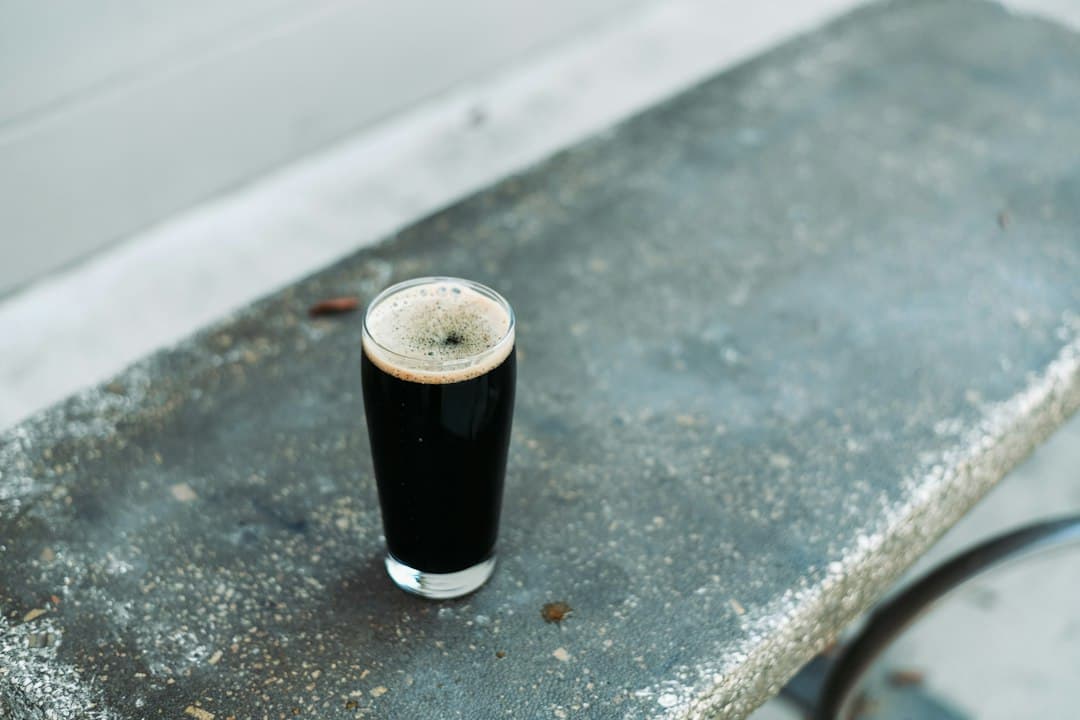
Black and Tan
Other
The Black and Tan is a layered pint of pale ale or bitter topped with stout. It looks great and drinks smooth. Here's how to layer it.
Campari Soda
Mixer
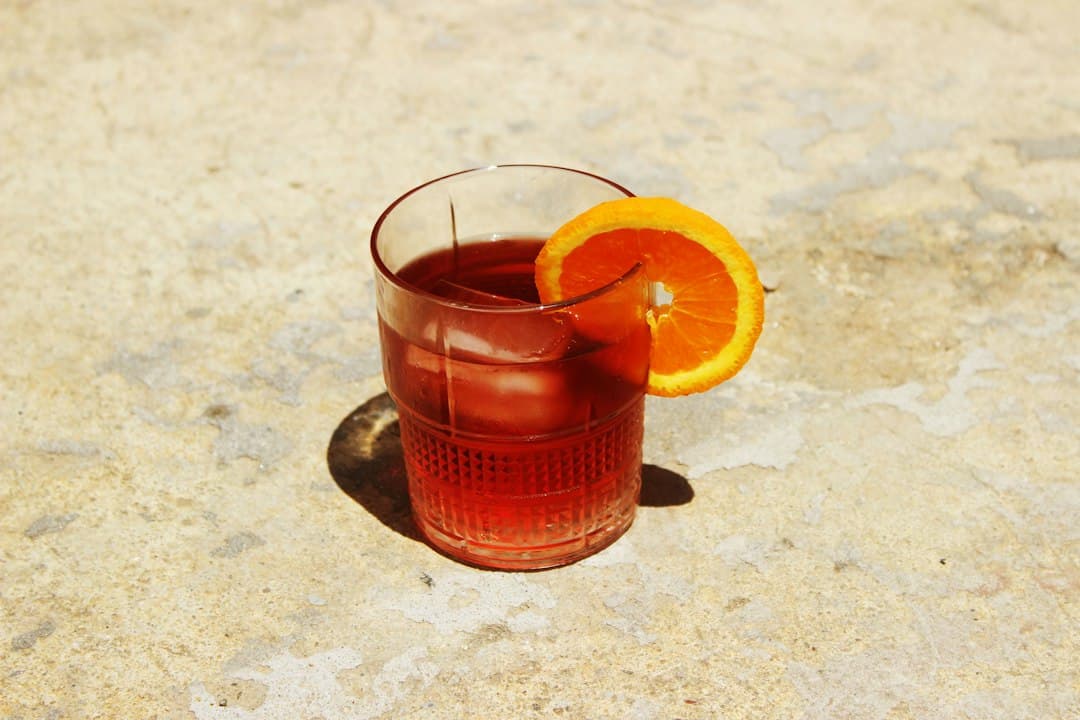
Campari Soda is Italy's favourite aperitivo: bitter Campari topped with soda over ice and a slice of orange. Bittersweet, light and refreshing.