What Is a Pilsner? A Beginner's Guide
The golden lager that started it all in 1842. Here's what makes a beer a pilsner, the difference between Czech, German and modern craft pilsners, how it compares with other lagers and how to serve it.
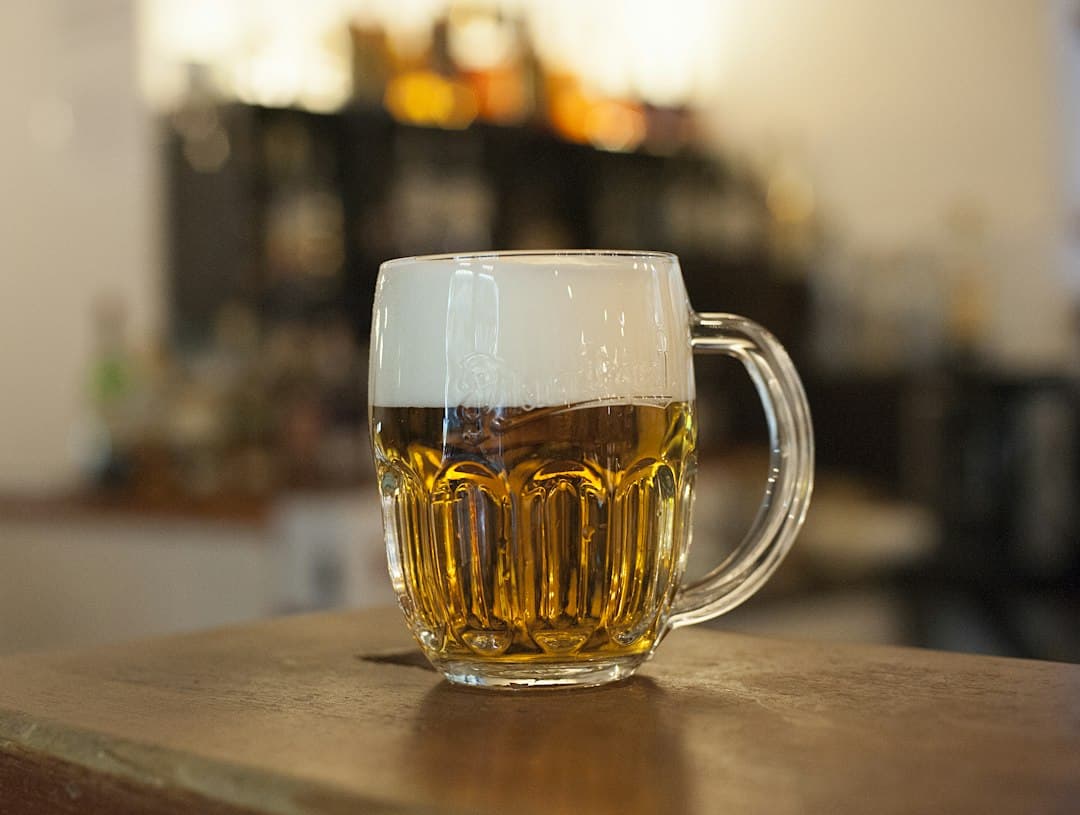
Pilsner is the most copied beer style on the planet. Most of the golden lagers poured in pubs around the world are, in one way or another, descendants of a single beer first served in the Bohemian town of Plzeň (Pilsen in German) in November 1842. Yet a proper pilsner is far more than “just a lager”: at its best it is bright gold, full of soft bready malt, with a fresh, floral and peppery hop bitterness and a crisp, clean finish that has you reaching for the next sip. Here is what makes a beer a pilsner, where it came from, the main types to know and how to get the best out of one.
Where Did Pilsner Come From?
In the early nineteenth century the beer in Plzeň had a poor reputation, and the town’s citizens with brewing rights decided to build a new, modern brewery, the Burghers’ Brewery. They hired a young Bavarian brewer, Josef Groll, who brought with him the Bavarian method of cold, slow fermentation with bottom-fermenting lager yeast. Groll combined it with pale malt made from local Moravian barley, Saaz hops from nearby Žatec and the town’s very soft water. The first batch was served in 1842, and the result was something new: a clear, golden, crisply bitter lager, at a time when most beer was dark or cloudy.
The timing helped. Mass-produced glassware was becoming affordable, so drinkers could see that sparkling gold colour, and the new railways carried the beer across the Austrian Empire and beyond. Brewers everywhere began making their own “Pilsner”, so in 1898 the original brewery registered the name Pilsner Urquell, meaning “the original source”, which it still uses today.
What Makes a Beer a Pilsner?
It is a lager: pilsner is brewed with bottom-fermenting lager yeast at cool temperatures, then matured cold for weeks. That is what gives it its clean, crisp character. Every pilsner is a lager, but not every lager is a pilsner. Our guide to lager vs beer explains the bigger family.
Pale malt: the grist is almost entirely pale Pilsner malt, which gives a light gold colour and flavours of fresh bread, crackers and a hint of honey.
Noble hops: traditional pilsners use European hops such as Saaz, Hallertauer, Tettnanger or Spalter, which are floral, herbal and spicy rather than fruity. The bitterness is firm and noticeable, more so than in most mainstream lagers.
Soft water: the low-mineral water of Plzeň lets the hops taste smooth rather than harsh. Other regions with harder water developed drier, sharper versions.
Moderate strength: most pilsners sit between about 4.2% and 5.4% ABV, which is why they are such good beers for a long, sociable evening.
The Main Types of Pilsner
Czech Pilsner
The original. Czech pilsners (in Czech, a pale lager is a světlý ležák) are deeper gold, with a fuller, slightly sweeter malt body, a soft, rounded bitterness and the grassy, peppery aroma of Saaz hops. Many Czech brewers still use decoction mashing, where part of the mash is boiled and returned, which adds richness. Look for Pilsner Urquell (4.4%), Budweiser Budvar and Kozel, or seek out smaller breweries if you visit.
German Pils
German brewers took the idea and made it their own. A German pils is usually paler, lighter in body, drier and more sharply bitter than a Czech one, with a herbal, floral hop character. Northern German versions such as Jever are famously bone-dry and bitter, while southern ones tend to be a touch softer and maltier. Bitburger, Warsteiner, Krombacher and Rothaus Tannenzäpfle are all widely available examples.
Italian and Modern Craft Pilsner
In 1996 Birrificio Italiano near Como launched Tipopils, a German-style pils with a dose of dry hops for extra aroma. It inspired a wave of “Italian pilsners”, and many craft brewers in Britain and America now make pilsners with a fresh, perfumed hop nose. Some go further and use New World hops from New Zealand or the US, giving notes of citrus, white wine or tropical fruit on a crisp lager base.
What Does Pilsner Taste Like?
A good pilsner pours a brilliant, clear gold with a dense, white, long-lasting head. On the nose expect fresh bread, a little honey and floral, herbal or peppery hops. In the mouth it is light to medium-bodied and lively, with soft malt sweetness up front, then a firm, clean bitterness that dries out the finish. It should never taste of sweetcorn, butter or sulphur, and it should never be watery. If you think you do not like lager, a well-kept Czech pilsner might change your mind.
Pilsner vs Mainstream Lager vs Helles
Mainstream international lager: usually lighter in flavour and bitterness, often brewed with some maize or rice, and served very cold. Clean and refreshing, but much less character.
Helles: the Munich pale lager is a close cousin, a similar colour but rounder, maltier and gentler on the hops. If pilsner is crisp and bitter, helles is soft and bready.
Pilsner: the hop-forward member of the family, with a firm bitterness and a distinctive noble-hop aroma.
How to Serve Pilsner
Temperature: cold but not icy. Around 6–8°C lets the malt and hop aroma come through. Straight from a very cold fridge, give it a few minutes.
Glassware: a tall, tapered pilsner glass shows off the colour and bubbles and holds the head. In Czech pubs you will often get a heavy, dimpled mug or a branded half-litre glass.
Pour with a head: pilsner is meant to have a generous, creamy collar of foam, which protects the beer and carries the aroma. Czech bars even serve the hladinka (a standard pour with a thick head), the šnyt (a smaller pour with a lot of foam) and the mlíko, a glass of almost pure, sweet foam meant to be drunk quickly.
Drink it fresh: pilsner does not improve with age. Check the best-before date, keep bottles and cans in the fridge away from light, and drink them within a few months.
Food Pairings
Pilsner’s crisp bitterness and lively carbonation make it one of the most food-friendly beers there is. It cuts through anything fried, so try it with fish and chips, fried chicken or crispy scampi. It is a natural partner for sausages, pork schnitzel and the Polish kotlet schabowy, works with seafood and salads, and is refreshing alongside a medium-hot curry. For something Czech, have it with roast pork, dumplings and sauerkraut.
Want to Brew One?
Pilsner is a beer that leaves nowhere to hide, which makes it a satisfying challenge for homebrewers: you need clean fermentation, good temperature control and patience while it lagers. If you fancy trying, our beginner pilsner recipe walks you through a 20-litre batch step by step. And if you prefer your beer with a fruitier, hoppier edge, read our guide to IPA next.