American Pale Ale: Citrusy, Balanced 20-Litre Homebrew Recipe
A classic American pale ale at about 5.4% ABV: pale, Munich and crystal malt, Magnum, Cascade and Centennial hops, a clean US ale yeast and a fresh dry hop.
American Pale Ale · 5.4% ABV · 35 IBU · 20 Litres · 7-10 days at 18-19°C, including 3-4 days dry hopping · beginner
Brewing figures
- Original gravity
- 1.052
- Final gravity
- 1.011
American pale ale is the beer that kicked off the craft beer revolution. Brewers in California in the late 1970s and early 1980s took the British pale ale, swapped the earthy English hops for bright, citrusy American ones like Cascade, and created something new: a golden-to-amber ale with a clean malt backbone, a firm but not punishing bitterness and a big aroma of grapefruit, orange peel, pine and flowers. It sits between a best bitter and a full-blown West Coast IPA: hoppier than the first, more balanced and more sessionable than the second. It is also one of the most forgiving styles to brew at home, which makes it a perfect second or third batch.
Recipe at a Glance
Batch size: 20 litres into the fermenter
Original gravity (OG): 1.052
Final gravity (FG): 1.011
ABV: approx. 5.4%
Bitterness: approx. 35 IBU (Tinseth)
Colour: deep gold to light amber
Brewhouse efficiency assumed: 70%
Equipment Needed
Brew kettle of at least 30 litres (or an all-in-one electric system)
Mash tun, or a large grain bag for brew-in-a-bag (BIAB)
Fermenting vessel of at least 23 litres with an airlock
Hydrometer and trial jar
Digital thermometer
Wort chiller or an ice bath
A hop bag or hop spider for dry hopping (optional but tidy)
No-rinse sanitiser
Bottles (about 40 x 500ml) and caps, or a keg or pressure barrel
Ingredients (20 Litres)
Grains (all-grain)
4.3 kg pale malt (American 2-row, or Maris Otter for a slightly richer, biscuity base)
250 g Munich malt
300 g crystal malt, around 40 EBC / 15°L (for colour and a touch of caramel)
Extract option
2.9 kg light dry malt extract in place of the pale malt
Steep the Munich and crystal malts in about 4 litres of water at 66–68°C for 30 minutes in a grain bag, lift them out, then top up the kettle
Add half the extract at the start of the boil and the rest for the last 15 minutes to keep the colour from darkening
Hops
15 g Magnum (around 13–14% alpha acid) at 60 minutes, for clean bitterness
25 g Cascade at 15 minutes
30 g Cascade at 5 minutes
30 g Centennial at flameout (steep for 15 minutes before chilling)
Dry hop: 40 g Cascade and 30 g Centennial
No Magnum? Use any clean, high-alpha bittering hop and adjust the weight to hit around 20 IBU from the 60-minute addition. Chinook and Amarillo are good swaps for Centennial
Yeast and Extras
A clean American ale yeast: Fermentis SafAle US-05, Lallemand BRY-97, Wyeast 1056 or White Labs WLP001
Half a Protofloc or Whirlfloc tablet at 15 minutes
About 110 g dextrose for priming (if bottling)
Optional: a teaspoon (around 5 g) of gypsum in the mash if your water is soft, to make the hop bitterness crisper
Mashing
Heat about 15 litres of strike water to around 72°C (or follow your system’s calculator).
Mash in and hold at 66°C for 60 minutes. This gives a fairly dry beer with just enough body to carry the hops.
Raise to 76°C for 10 minutes to mash out, if your system allows.
Sparge with water at 76–78°C to collect around 25 litres of wort in the kettle.
The Boil
Bring the wort to a rolling boil and boil for 60 minutes.
Add the Magnum at the start of the 60 minutes.
Add 25 g Cascade and the Protofloc tablet with 15 minutes left.
Add 30 g Cascade with 5 minutes left.
At the end of the boil, turn off the heat, add the Centennial and let it steep for 15 minutes. Then chill the wort as quickly as you can to about 18°C and transfer it to a sanitised fermenter.
Fermentation
Pitch the yeast: one sachet of dry yeast is enough for 20 litres at this gravity, or a starter for liquid yeast.
Ferment at 18–19°C. Keeping it cool stops the yeast making fruity or solvent-like flavours, so the hops can do the talking.
Once fermentation slows (usually around day 5 to 7), add the dry hops. Leave them for three to four days. Longer than that can start to bring grassy, vegetal flavours.
Check the gravity. When it reads around 1.011 on two days in a row, fermentation is finished. If you can, cool the fermenter to a few degrees for two days to help the beer clear before packaging.
Packaging
Bottle with about 110 g of dextrose dissolved in a little boiled water, or keg and carbonate to around 2.4 volumes of CO₂. Leave bottles at room temperature for two weeks to carbonate. Unlike a stout or a winter warmer, pale ale does not improve with age: hop aroma fades over weeks, so drink it fresh and keep it cold.
Tasting Notes and Tips
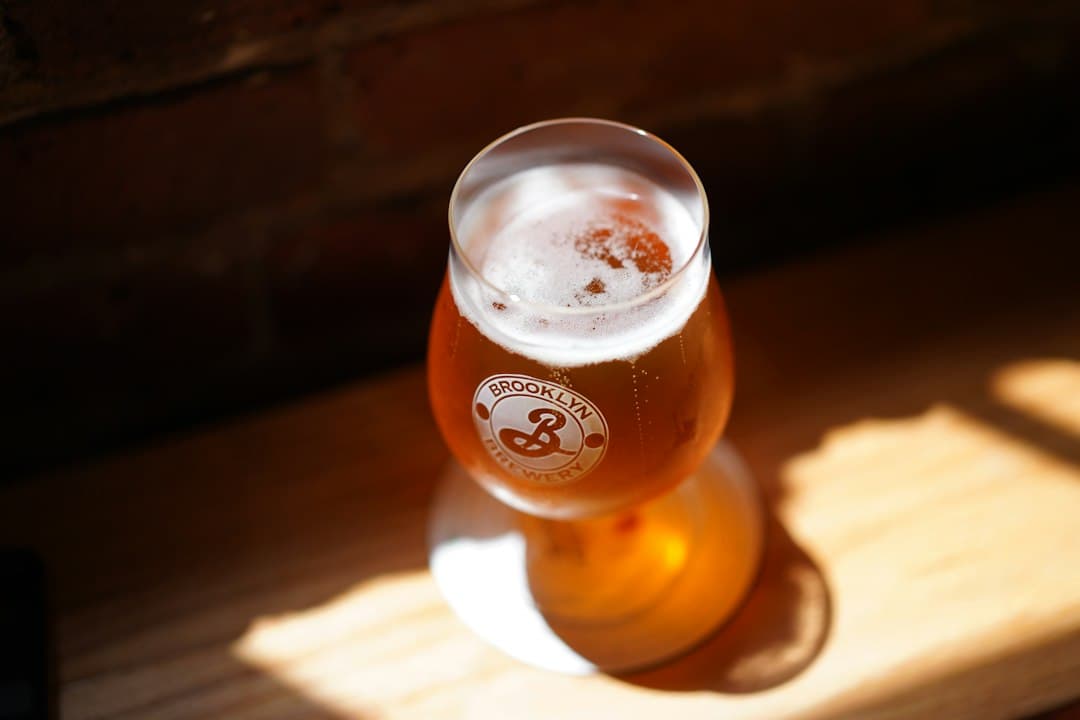
What to expect: clear gold to light amber with a white head, a bright aroma of grapefruit, orange zest, pine and flowers, a clean bready malt flavour with a hint of caramel, and a firm, dry, bitter finish.
Keep oxygen out: the biggest enemy of a hoppy beer is oxygen after fermentation. Avoid splashing when you transfer, and package as soon as the dry hops are done.
Do not overdo the crystal malt: too much makes the beer sweet and dull and fights the hops. 5–7% of the grist is plenty.
Make it your own: once you have brewed it as written, swap the late and dry hops for Citra, Mosaic or Simcoe to explore modern flavours while keeping the same base recipe.
Pale Ale vs IPA vs Hazy Pale
All three share pale malt and American hops, but the balance is different. An American pale ale is around 4.5–6% with moderate bitterness and a clear, clean finish. An IPA is usually stronger and noticeably more bitter, with even more hops. A hazy pale ale uses oats and wheat, a softer yeast and nearly all its hops late in the process, so it is cloudy, juicy and only gently bitter. If you like hops but want a beer you can enjoy a couple of, the classic pale ale is the sweet spot.
Food Pairing
The bitterness and citrus cut through rich, fatty and spicy food. Try it with an ultimate bacon cheeseburger, spicy beef tacos, fish and chips, mature Cheddar or a mild curry.