What Is a Lager? A Beginner's Guide
Lager is the world's most popular beer family, but it is more than just cold, golden and fizzy. Here's what makes a beer a lager, how it differs from ale, the main styles to know and how to serve it properly.
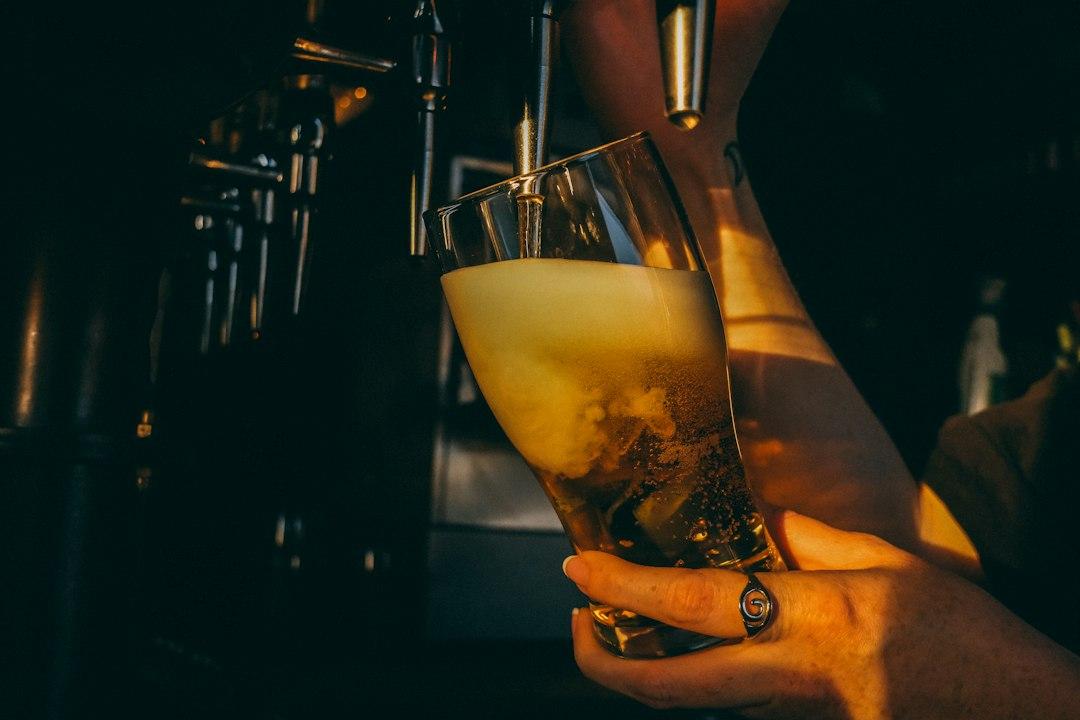
Ask most people what lager is and they will point at a cold, golden pint with a white head. That is part of the story, but lager is a whole family of beers — pale and dark, light and strong, crisp and malty — defined not by colour but by how they are fermented. Understanding lager unlocks everything from a soft Munich helles to a punchy Czech pilsner, a rich doppelbock and a dark, chocolatey schwarzbier. Here is what makes a beer a lager, where it came from, the styles worth knowing and how to get the best out of one.
Lager vs Ale: The Short Version
The big divide in beer is between ale and lager, and it comes down to yeast and temperature.
Ales are fermented with top-fermenting yeast at warmer temperatures (roughly 15–24°C). They tend to be fruitier, and they are ready relatively quickly. Bitters, IPAs, stouts and Belgian ales are all ales.
Lagers are fermented with bottom-fermenting yeast at cooler temperatures (roughly 8–14°C), then matured cold for weeks or months. That cold process is called lagering, from the German lagern, to store. The result is a cleaner, crisper beer with fewer fruity esters.
So lager is not a synonym for “pale beer”. A dark bock is a lager; a golden IPA is an ale. Our guide to lager vs beer digs into the wording that confuses so many pub conversations.
A Brief History of Lager
Cold-fermented beer has deep roots in Bavaria and Bohemia, where brewers stored casks in cool caves and cellars over winter. In the nineteenth century, bottom-fermenting yeast strains were isolated and the process became more deliberate. Josef Groll’s 1842 pale lager in Plzeň — the first pilsner — then showed the world that lager could be golden and hoppy, not just dark and malty. Refrigeration and industrial brewing spread pale lager across the globe, and today most of the beer drunk worldwide is some form of lager.
What Makes a Beer a Lager?
Bottom-fermenting yeast: Saccharomyces pastorianus (or related strains) works at cooler temperatures and settles to the bottom of the vessel.
Cool fermentation: typically 8–14°C, which keeps fruity esters and harsh alcohols in check.
Cold maturation (lagering): weeks or months near freezing, which clears the beer, softens rough edges and builds that signature clean finish.
A clean flavour profile: malt and hops should be clear and distinct, without the banana, clove or heavy fruit notes you get from many ale yeasts.
The Main Lager Styles to Know
Pilsner
The hop-forward pale lager that started in Bohemia in 1842. Bright gold, firm bitterness, floral or spicy noble hops. Czech versions are a touch maltier and softer; German pils is drier and sharper. Full guide: What Is a Pilsner?
Helles
Munich’s everyday pale lager: soft, bready, gently bitter and supremely drinkable. If pilsner is crisp and hoppy, helles is round and malt-led.
Vienna Lager and Märzen / Festbier
Amber lagers with toasted malt character. Vienna lager is elegant and balanced; Märzen (and modern Oktoberfest / Festbier) is a touch richer and traditionally tied to autumn festivals. Our Vienna lager homebrew recipe is a good place to start if you want to brew one.
Bock, Doppelbock and Related Strong Lagers
Stronger, malt-forward lagers from Germany. A traditional bock is deep amber and toasty; doppelbock is richer still, with notes of toast, caramel and dried fruit; maibock / helles bock is a pale, stronger cousin for spring.
Dunkel and Schwarzbier
Dark lagers. Dunkel is Munich’s brown lager: soft chocolate and bread crust. Schwarzbier is darker still, with a light roast and a surprisingly dry, easy-drinking finish — nothing like a heavy stout.
International / Mainstream Pale Lager
The cold, pale, lightly flavoured lagers that dominate supermarket shelves and many pubs. Often brewed with some maize or rice, very clean and refreshing when well kept, but usually less bitter and less aromatic than a proper pilsner or helles.
Czech Pale Lager (Světlý Ležák)
Beyond branded “pilsner”, Czech pale lagers cover a range of strengths and hop profiles. Soft water, Saaz hops and often a decoction mash give them a distinctive rounded bitterness and rich head.
What Does Lager Taste Like?
It depends on the style, but the common thread is clarity of flavour. A good pale lager should smell of fresh bread or crackers, with hops that are floral, herbal or gently spicy rather than muddy. In the mouth it is lively and clean, finishing dry enough that you want another sip. Darker lagers bring toast, caramel, chocolate or light coffee without the heavy roast of a stout. Off-flavours to watch for include sweetcorn (DMS), butteriness (diacetyl) and a harsh, solventy edge from warm fermentation.
How to Serve Lager
Temperature: cold but not frozen. Around 4–7°C for pale lagers, a little warmer (8–10°C) for bocks and dunkels so the malt can show.
Glassware: a tall pilsner glass, a Willi Becher or a simple pint glass all work. Leave room for a proper head.
Pour with foam: a healthy collar of foam protects the beer and carries aroma. Tilt the glass, then straighten to build the head.
Drink it fresh: most lagers are not for ageing. Keep cans and bottles cold and away from light, and finish them before the best-before date.
For more on the pour itself, see the art of the perfect serve.
Food Pairings
Lager’s carbonation and clean bitterness make it one of the most food-friendly beer families. Pale lagers cut through fried food — think fish and chips, schnitzel or spicy wings — and sit happily with salads, seafood and milder curries. Amber and dark lagers love sausages, roast pork, grilled meats and hard cheeses. A doppelbock can even stand in for a digestif alongside chocolate desserts.
Want to Brew Lager?
Lager needs temperature control and patience, which is why many homebrewers start with ales. Once you can hold a fermenter around 10°C and then lager cold for a few weeks, the results are worth it. Try our beginner pilsner or Vienna lager recipes, and use the homebrew calculator for priming and ABV. If you prefer something fruitier and faster, start with an American pale ale instead.